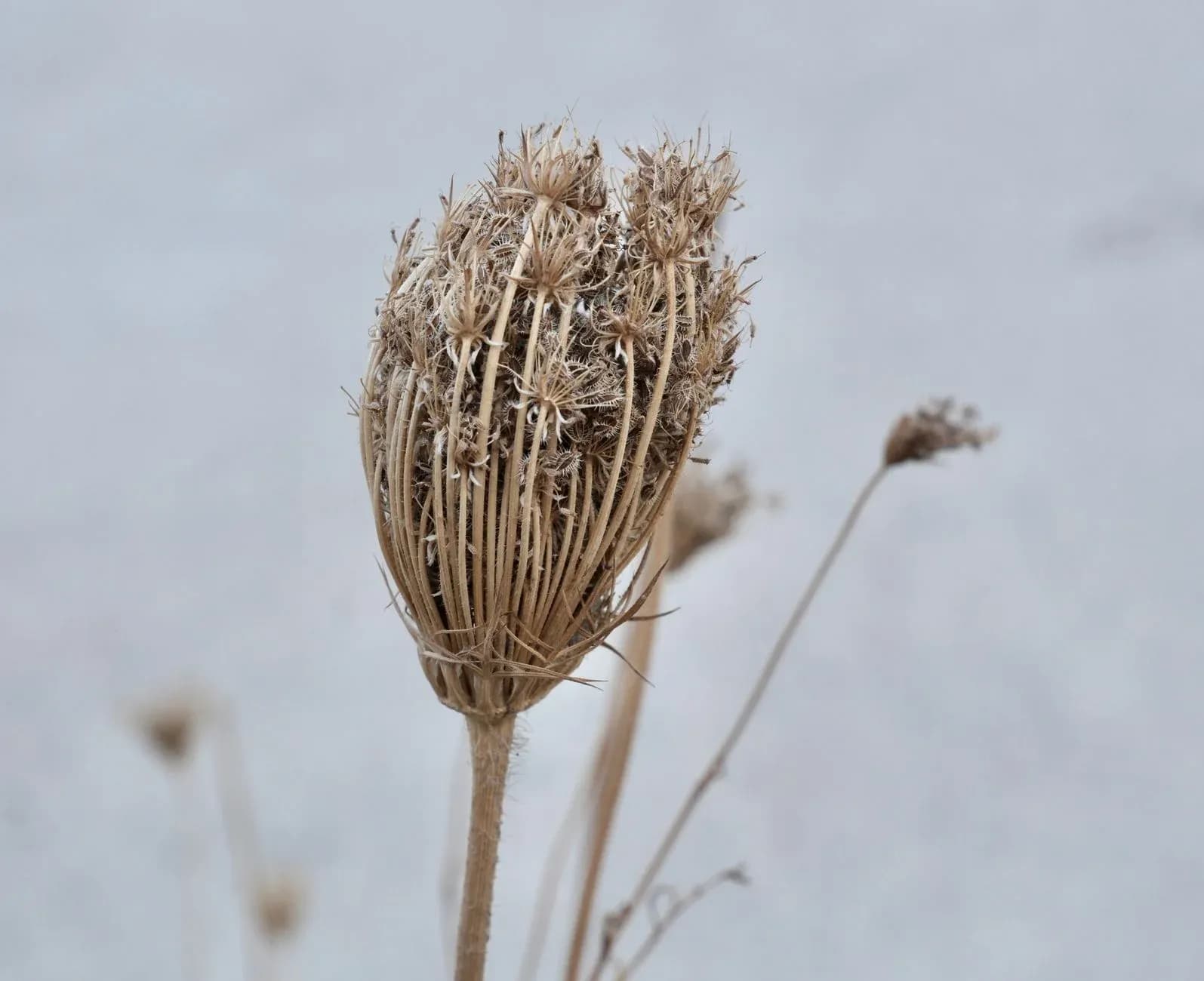
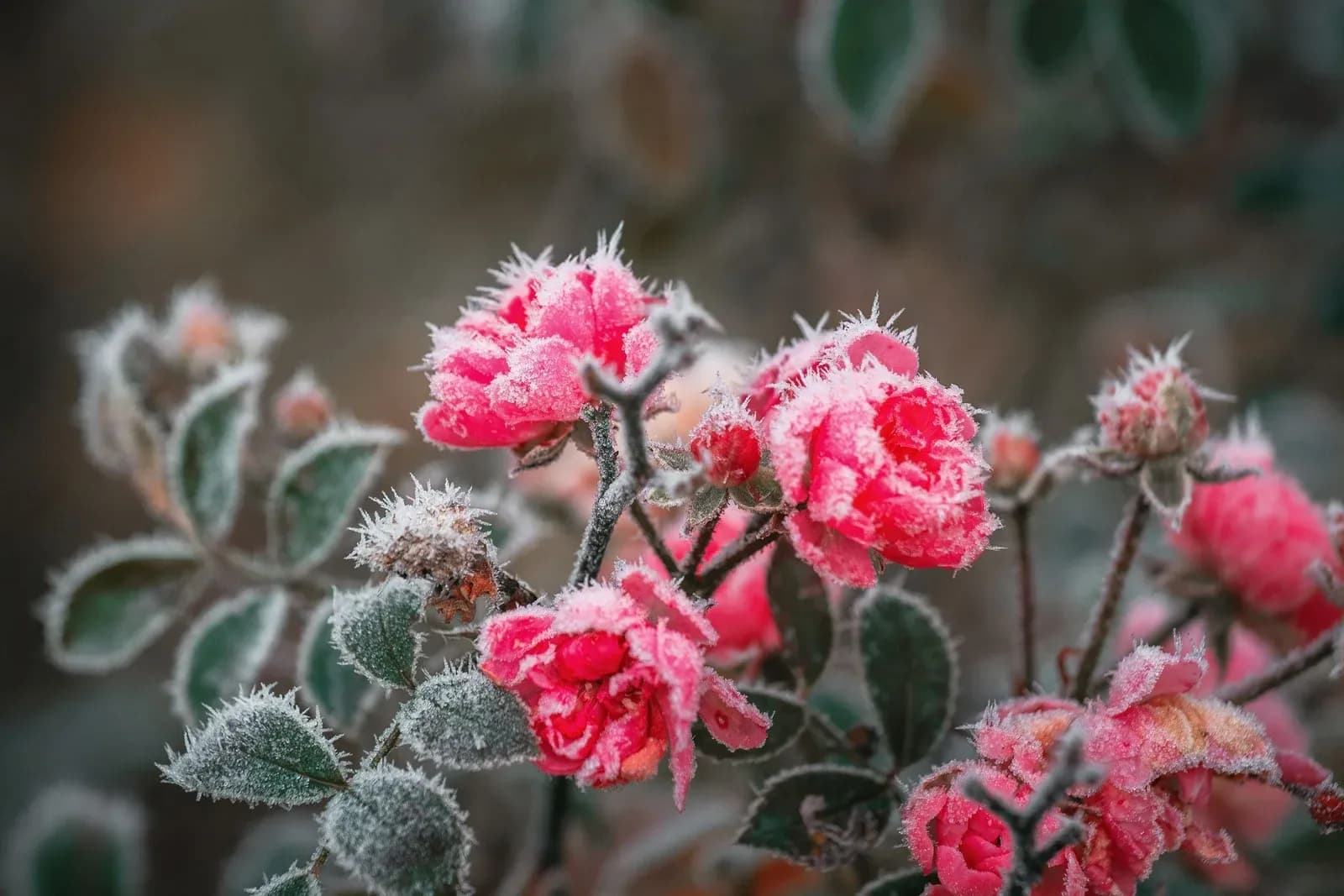
You stand at the back door with a mug of tea and look at a garden that seems to have given up. The borders are brown, the last leaves lie wet on the lawn and the light is already fading by mid-afternoon. It is tempting to close the door and wait for spring.
Step outside instead. Under that tired surface, the soil is still warmer than the air, and the roots of anything you plant now will begin to grow long before you see a single new leaf. An hour or two in the garden this week sets up your best summer for years, and it lifts your mood on the shortest days of the year.
Plant Bare-Root Roses and Fruit Trees
Bare-root plants are sold without pots, lifted from the field while they are dormant, and they cost far less than the same plants in containers. Roses, fruit trees, hedging and soft fruit such as raspberries can all go in now, from November to March, whenever the ground is not frozen or waterlogged.
Soak the roots in a bucket of water for an hour before you plant. Dig a hole wider than the spread of the roots, fork over the bottom and set the plant at the same depth it grew in the field, which you can see from the change of colour on the stem. Roses should go in with the point where the stems join the roots about 5cm below the surface. Firm the soil around them with your heel and water well.
Plant Garlic Before the Real Cold
Garlic needs a spell of cold weather to divide its bulbs into cloves, and planting it before Christmas gives you the biggest heads next summer. Buy bulbs from a garden centre or seed company rather than the supermarket, as those are bred for the kitchen and may carry disease.
Break the bulbs into single cloves and push each one into the soil, pointed end up, so the tip sits just below the surface. Space them 15cm apart in rows 30cm apart, in a sunny spot with soil that drains well. On heavy clay, plant them in pots or a raised bed.
Lift and Store Your Dahlias
Once the first frost has blackened the leaves of your dahlias, it is time to decide whether to leave them or lift them. In a mild, sheltered garden with light soil, a thick layer of mulch over the crowns is often enough to see them through the winter. In colder or wetter gardens, the tubers can rot in the ground.
To lift them, cut the stems back to about 15cm, ease the tubers out with a fork and shake off the soil. Turn them upside down in a dry shed or garage for a week to let the water drain from the hollow stems. Then store them in a box of dry compost or sand, somewhere cool and frost-free, and label each one.
Turn Fallen Leaves Into Leaf Mould
The leaves on your lawn are one of the most valuable things in your garden. Rake them up before they smother the grass, and pack them into black bin bags or a simple wire cage. Wet them if they are dry, tie the bags loosely and pierce a few holes in the sides.
Leave them in a shady corner. In about a year you will have a crumbly mulch for your borders, and in two years a fine, dark material that you can mix into potting compost. Oak, beech and hornbeam leaves break down best.
Clean and Insulate the Greenhouse
A clean greenhouse lets in more of the weak winter light and gives pests fewer places to hide. Move your plants out on a dry day, sweep the floor and staging, and wash the glass inside and out with warm water and a little garden disinfectant.
Once the plants are back in, line the inside of the glass with horticultural bubble wrap to keep the heat in. Open the vents on sunny days to stop damp building up, and water your plants in the morning so they are not sitting wet overnight.
Feed the Birds and Keep Their Water Clear
Birds need more energy in December than at almost any other time of year, and the natural food in your garden is running out. Hang fat balls, sunflower hearts and peanuts in a mesh feeder, and put out a little grated cheese or chopped apple on the ground for blackbirds and robins.
Clean your feeders and bird bath every week with hot soapy water to stop disease spreading between birds. On frosty mornings, pour warm water over the bird bath to melt the ice. Birds need water to drink and to clean their feathers, which helps them stay warm.
Check Stored Fruit and Bulbs
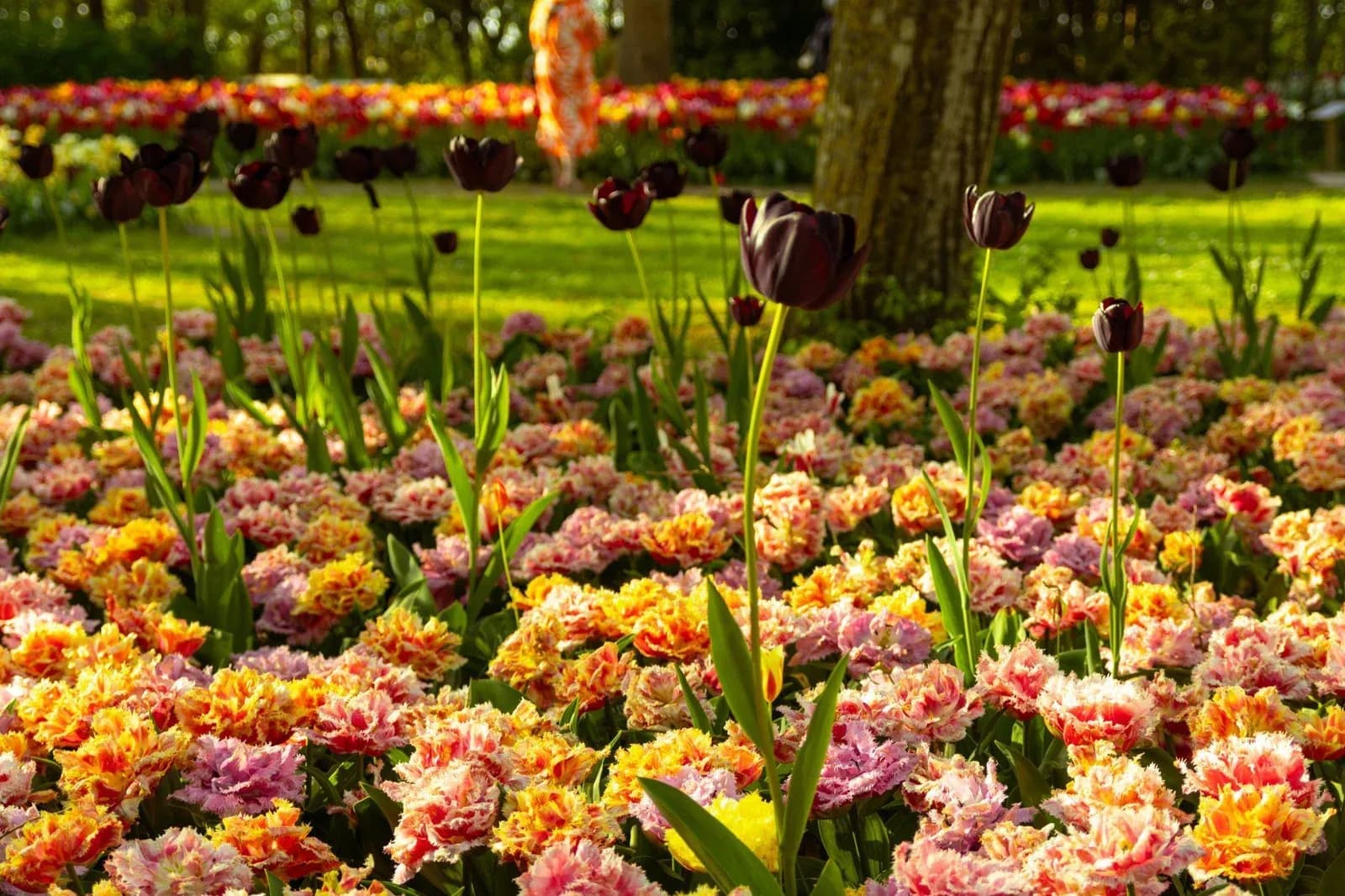
Apples, pears, onions and squashes stored in the autumn need a look every week. Remove anything that has gone soft or shows a patch of mould, as one bad fruit can spoil a whole box. Check that your tulip bulbs and lily bulbs, if you have not yet planted them, are firm and dry. There is still time to plant tulips this week, and they often flower better for going in late.
Choose a Christmas Tree That Keeps Its Needles
The first weekend of December is when most families bring home a real tree. Nordmann firs hold their needles longest and have soft needles that are kind to small hands. Norway spruce has the classic Christmas scent but drops its needles sooner in a warm room.
Before you buy, run your hand gently along a branch. Very few needles should fall. Ask for the tree to be freshly cut at the base, and at home, saw another 2.5cm off the trunk before you stand it in water. Choose a stand that holds water, top it up every day and keep the tree away from radiators and open fires. A tree that drinks well stays green until Twelfth Night.
When the decorations come down in January, ask your local council about tree collection. Many councils shred them into chippings for parks and paths, and your tree goes back into the soil.
The garden asks for very little from you this week: a few roses in the ground, a row of garlic, a bag of leaves and a full bird feeder. In return, it gives you a reason to be outdoors in the daylight, and a summer of flowers and food that began on a cold morning in December.
Frequently Asked Questions
What should I plant in the garden in December?
When should I lift dahlias for winter?
Which Christmas tree drops the fewest needles?
How do you make leaf mould?
Enjoying this article?
Subscribe to our newsletter and never miss a story. No spam, ever.