
When Your Angel Becomes a Daredevil: Childproofing Without Destroying Your Style
Turn toddler chaos into calm with home safety – from stylish retractable gates to anchored furniture and clear boundaries – for safer, design-led family living.

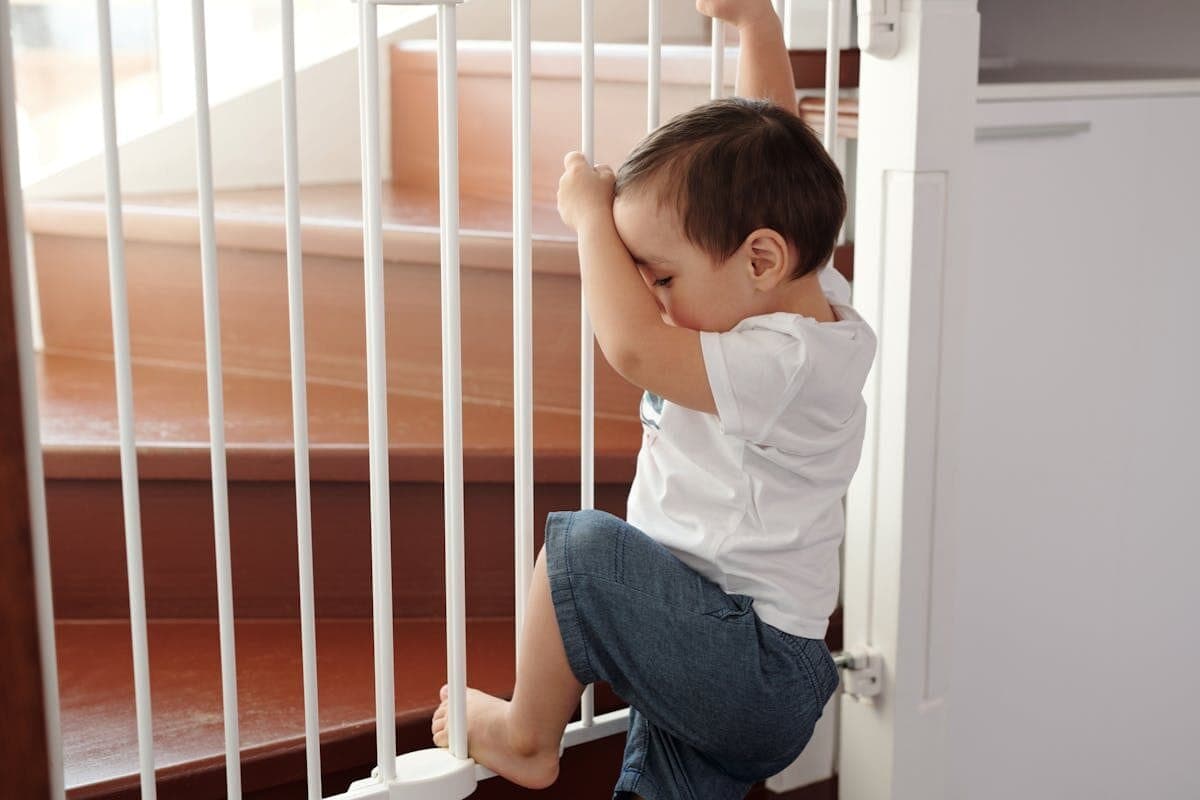
One minute you’re sipping your morning coffee, admiring your perfectly curated living room, and the next you’re watching in horror as your formerly immobile little cherub scales the bookshelf like a miniature mountaineer. Welcome to toddlerhood – where your home suddenly goes from sanctuary to what feels like an extreme sports venue.
Every parent has that pivotal moment when they realise their sweet, compliant baby has morphed into a fearless explorer with zero sense of danger. Sarah from Portland recalls finding her 18-month-old daughter perched on the dining room table, cheerfully dismantling the fruit bowl. ‘I’d only popped to the loo for two minutes,’ she laughs. ‘I came back to find her having what appeared to be a very serious conversation with a banana whilst sitting cross-legged on furniture that was definitely not meant for climbing.’
The Reality Check Nobody Prepares You For
The numbers around toddler home injuries are genuinely eye-opening. According to recent CDC data, approximately 2,000 children aged 14 and under die annually from home injuries in the United States. Falls, poisoning and suffocation top the list, with many incidents happening in those everyday spaces we consider safest.
Here’s the thing about toddlers that catches everyone off guard: their physical abilities develop much faster than their understanding of danger. They can climb before they grasp heights, run before they judge obstacles and reach things before they understand consequences. It’s like having a tiny person with the motor skills of a gymnast and the judgement of, well, a toddler.
This means that whilst your little one might have the skills to scale your coffee table, they haven’t quite worked out that the sharp corner at eye level could cause serious harm. It’s a recipe for heart-stopping moments and plenty of grey hairs.
When Furniture Becomes Playground Equipment
Those beautiful, weighty pieces you invested in for their stability? Your toddler sees them as the world’s most tempting playground equipment. The tall bookshelf becomes Mount Everest, the dresser drawers turn into a ladder system, and that gorgeous glass-topped coffee table? It’s basically a launching pad for their next death-defying leap.
The key is securing everything that could potentially tip over. Recent home safety reports show that many parents underestimate just how resourceful toddlers can be when it comes to using furniture as climbing apparatus. Heavy items need to migrate to lower shelves, and furniture anchoring systems aren’t optional for tall pieces – they’re essential.
Here’s where many parents feel torn though: how do you maintain a home that looks like adults live there whilst ensuring it’s safe for your tiny tornado? The good news is you don’t have to choose between safety and style.
Safety Gates That Actually Look Decent
Traditional baby gates often look like something borrowed from a prison yard – all chunky plastic and industrial metal. Fortunately, the safety gate market has evolved, with options like American-made fabric safety gates that retract neatly when not in use and complement rather than clash with your interior design.
These mesh-style barriers give you the security you need for stairs and doorways without turning your home into what looks like a childcare centre. The Retract-A-Gate by Smart Retract has gained particular praise from design-conscious parents for its sleek appearance and American manufacturing.
As creating safe spaces for children to play and explore becomes increasingly important, these solutions prove that parents shouldn’t have to choose between safety and style.
The Kitchen Challenge
Kitchens present a unique puzzle – they’re often the heart of family life but contain the highest concentration of potential hazards. Sharp knives, cleaning chemicals, hot surfaces and breakable items all exist within arm’s reach of a determined toddler.
The American Academy of Pediatrics recommends a multi-layered approach: securing cabinets and drawers, relocating dangerous items to high storage and using appliance locks. Most importantly though, it’s about creating clear boundaries about where little ones can safely explore.
Many parents find success in designating one low cabinet as the ‘toddler zone’ – filled with safe pots, wooden spoons and tupperware – giving their little one somewhere appropriate to investigate whilst you’re cooking. This approach ties in perfectly with having honest conversations with your children about safety boundaries from an early age.
Sleep Transitions and Bedroom Safety
The transition from cot to bed marks another milestone in toddler safety considerations. Floor beds for toddlers and kids which are essentially mattresses placed directly on the floor with low frames, have gained popularity as a gentler way to give toddlers sleeping independence without the fall risk of traditional beds.
This approach aligns with allowing children to learn boundaries gradually whilst minimising the potential for injury. It’s about creating an environment where they can practise independence safely rather than restricting them entirely.
Creating Designated Adventure Zones
Rather than trying to make your entire home toddler-proof, consider creating specific areas designed for active play. Soft rugs, stable low furniture and age-appropriate climbing structures can satisfy their need for physical exploration in controlled environments.
Regular toy rotation keeps these spaces exciting and engaging, encouraging your toddler to gravitate towards their designated play area rather than treating your entire home as an obstacle course. When accidents do happen – and they will – it’s worth remembering that even the most prepared parents face unexpected challenges, which is why supervision remains so crucial.
Dealing with Sharp Edges
Coffee tables, TV stands and low shelving often sit at perfect head-bumping height for unsteady toddlers. Corner guards and edge bumpers have come a long way from the obvious foam padding of previous generations – modern options are nearly invisible whilst still providing crucial protection.
The goal isn’t to wrap your home in bubble wrap but to address the most obvious hazards whilst maintaining the space’s functionality and visual appeal.
Windows and Doors
Toddlers are surprisingly good at manipulating doors and windows. Door knob covers, high latches and window restrictors provide multiple layers of security without requiring major modifications to your home’s architecture.
Remember that window screens aren’t designed to prevent falls – they’re meant to keep insects out, not toddlers in. This distinction could save your child’s life.
Finding Your Balance
The goal is creating a home environment that allows your toddler to explore and develop whilst minimising serious injury risks. This doesn’t mean eliminating every possible hazard – that’s neither practical nor beneficial for child development.
Instead, focus on the most dangerous risks: falls from heights, access to toxic substances, sharp edges at head level and potential tipping hazards. Address these systematically whilst maintaining spaces that feel like home rather than a medical facility.
Remember, no amount of childproofing replaces active supervision, but thoughtful safety modifications can give you peace of mind and your toddler the freedom to explore their world safely. After all, those climbing skills they’re perfecting on your bookshelf today might just help them scale mountains tomorrow – preferably outdoors and with proper safety equipment.
The key to successful childproofing isn’t about creating a sterile environment, but about understanding your child’s developmental stage and building comprehensive family safety practices that grow with them.
Enjoying this article?
Subscribe to our newsletter and never miss a story. No spam, ever.

Editor-in-Chief
Editor-in-Chief of Rich Woman Magazine, founder of Sovereign Magazine, author of many books, Dr Marina Nani is a social edification scientist coining a new industry, Social Edification. Passionately advocating to celebrate your human potential, she is well known for her trademark "Be Seen- Be Heard- Be You" running red carpet events and advanced courses like Blog Genius®, Book Genius®, Podcast Genius®, the cornerstones of her teaching. The constant practitioner of good news, she founded MAKE THE NEWS ( MTN) with the aim to diagnose and close the achievement gap globally. Founder of many publications, British Brands with global reach Marina believes that there is a genius ( Stardust) in each individual, regardless of past and present circumstances. "Not recognising your talent leaves society at loss. Sharing the good news makes a significant difference in your perception about yourself, your industry and your community."