
Happy Table: 8 Things You Need to Know About Healthy Ageing
Your body needs different things from food as the years pass. Eight changes to make at the table for strength, sharp thinking and energy in later life.
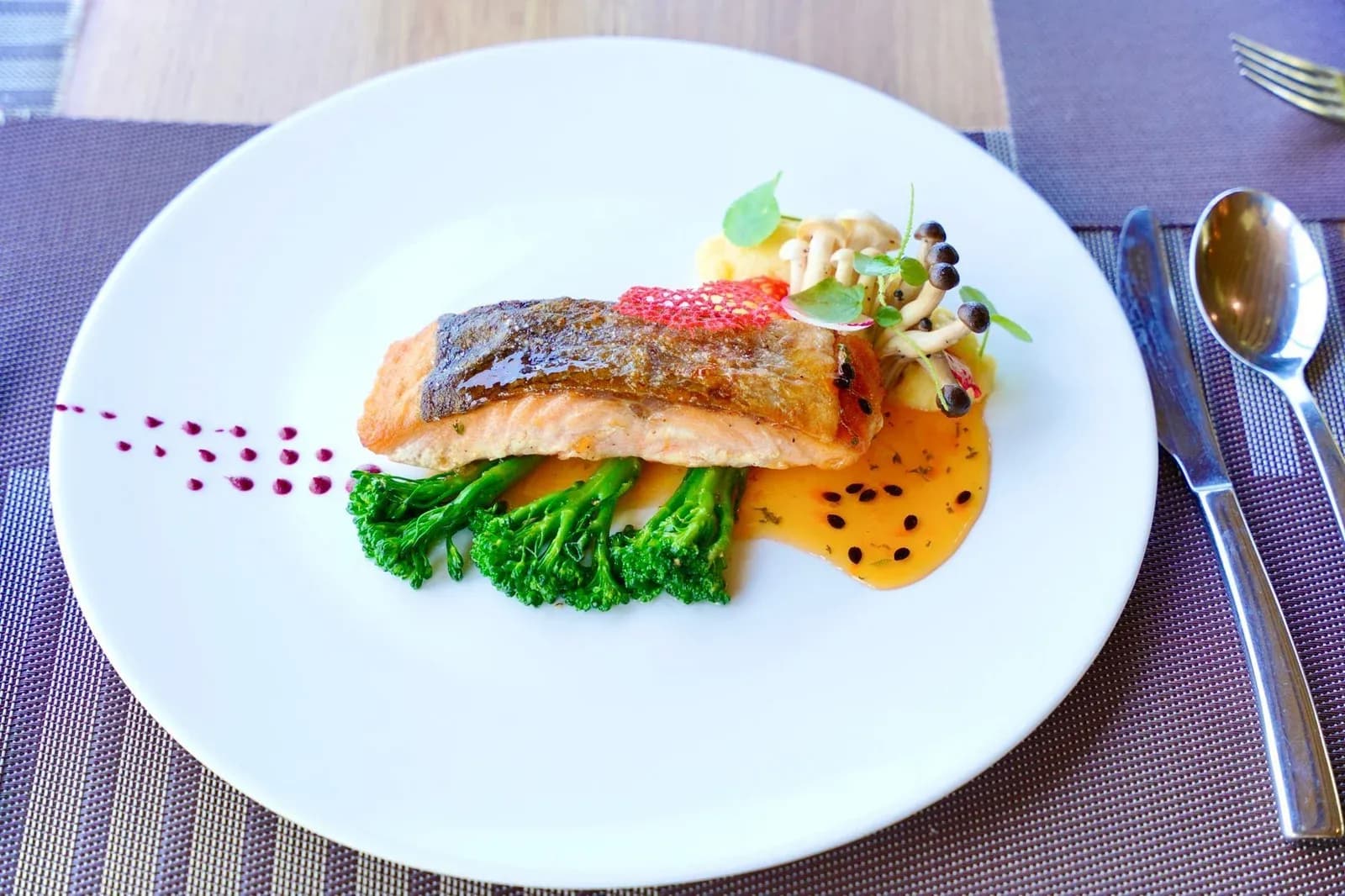
Photo: Khải Huyền Trương / Pexels
Your appetite shrinks as you get older, but your need for nutrients does not. From your fifties onwards, your body absorbs some vitamins less well, builds muscle less easily, and stops sending clear signals of thirst. The food on your plate has to work harder, and the right choices make a real difference to how strong, sharp and energetic you feel.
None of this calls for a special diet or a January resolution. It calls for a few small changes to the meals you already enjoy, and if you start this week, you reach the new year with eight good habits already in place.
Protein at Every Meal
You lose muscle from your thirties onwards, and the loss speeds up after 60. Muscle keeps you steady on your feet, protects your joints and helps control blood sugar. Your body also becomes less efficient at turning protein into muscle as you age, so you need more of it.
Many experts now suggest that people over 65 aim for 1 to 1.2g of protein per kilogram of body weight each day, more than the 0.75g usually recommended for younger adults. Spread it across the day rather than saving it for dinner: eggs or Greek yoghurt at breakfast, beans, fish or chicken at lunch, and a portion of meat, fish, tofu or lentils in the evening.
Drinking Before You Feel Thirsty
The signal that tells you to drink weakens with age, so you can be mildly dehydrated without feeling thirsty. Even mild dehydration brings tiredness, headaches, constipation and poor concentration, and it raises the risk of falls.
Aim for six to eight cups of fluid a day. Water, milk, tea and coffee all count. Keep a glass or bottle in sight, drink a glass with each meal, and add soups, stews and juicy fruit to your plate.
Vitamin B12 and Your Energy
Your stomach makes less acid as you age, and stomach acid helps release vitamin B12 from food. Some common medicines, including metformin for diabetes and some drugs for acid reflux, also reduce how much B12 you absorb. Low B12 causes tiredness, pins and needles, memory problems and low mood, and it is easy to mistake for simply getting older.
Eat B12 from fish, eggs, meat, milk and cheese, or from fortified breakfast cereals and plant milks. If you feel unusually tired or forgetful, ask your GP for a simple blood test.
Calcium for Your Bones
Bones thin with age, and women lose bone faster after the menopause. Adults need about 700mg of calcium a day. A glass of milk, a pot of yoghurt and a matchbox-sized piece of cheese cover most of it.
If you do not eat dairy, tinned sardines or salmon with their soft bones, tofu set with calcium, almonds, and fortified plant milks are good sources. Calcium needs vitamin D to reach your bones, and from October to March in the UK, sunlight cannot give you enough, so take a daily 10 microgram vitamin D supplement through the winter.
Oily Fish Twice a Week
Oily fish such as salmon, mackerel, sardines, trout and herring give you omega-3 fats, which support your heart, your blood vessels and your brain. Aim for two portions of fish a week, with at least one of them oily.
Tinned fish counts and costs less. Sardines on toast, mackerel pâté or a salmon fishcake make a fast, cheap lunch.
Colour on Your Plate
Deeply coloured fruit and vegetables, such as berries, leafy greens, red peppers, beetroot and red onions, are rich in plant compounds that protect your cells from wear. People who eat a Mediterranean-style diet, built on vegetables, fruit, pulses, wholegrains, nuts, olive oil and fish, tend to keep their thinking sharper for longer and have fewer heart problems.
Try to fill half your plate with vegetables and fruit, and eat as many different colours across the week as you can. Frozen berries and spinach work as well as fresh.
Salt Swapped for Flavour
Your sense of taste and smell fades with age, and many people reach for the salt shaker to compensate. Too much salt raises blood pressure, the main risk factor for strokes. Adults should eat no more than 6g of salt a day, about a teaspoon, and most of it is already in bread, cheese, processed meat and ready meals.
Bring the flavour back another way: lemon juice, garlic, black pepper, chilli, fresh herbs, mustard and spices all lift a dish without the salt.
Meals Shared With Others
People who eat alone tend to eat less, choose a narrower range of foods and skip meals. Sharing a table changes that. You cook properly, eat more slowly, enjoy your food more and take in more of what your body needs.
Make a habit of eating with family, friends or neighbours at least a few times a week. A regular Sunday lunch, a supper club or a weekly meal with a friend feeds your body and your mood at the same time.
At a Glance
- Protein: 1 to 1.2g per kilogram of body weight a day, spread across three meals
- Fluids: six to eight cups a day, before you feel thirsty
- Vitamin B12: fish, eggs, dairy or fortified foods; ask your GP for a test if you feel tired
- Calcium: about 700mg a day, plus 10 micrograms of vitamin D from October to March
- Fish: two portions a week, one of them oily
- Salt: no more than 6g a day
Enjoying this article?
Subscribe to our newsletter and never miss a story. No spam, ever.
Related Articles

Low Vitamin A in Late Pregnancy Is Linked to Larger Babies in a Norwegian Study of 723 Women

Ultra-Processed Food Linked to a Stronger Brain Reward Response and More Weight Gain in Children
Why Your Child Will Not Eat Broccoli: Genes, Mouth Bacteria and What Helps