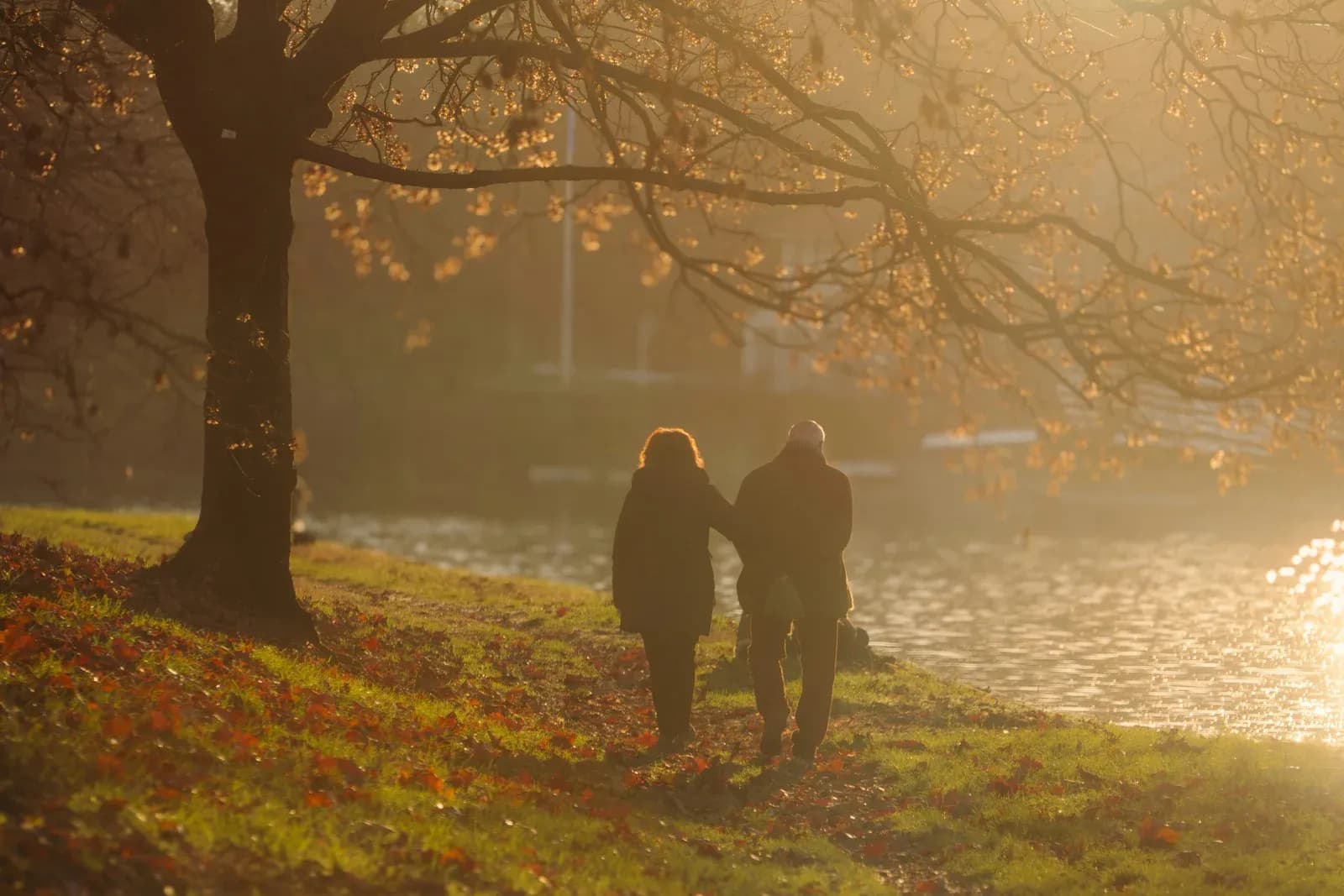
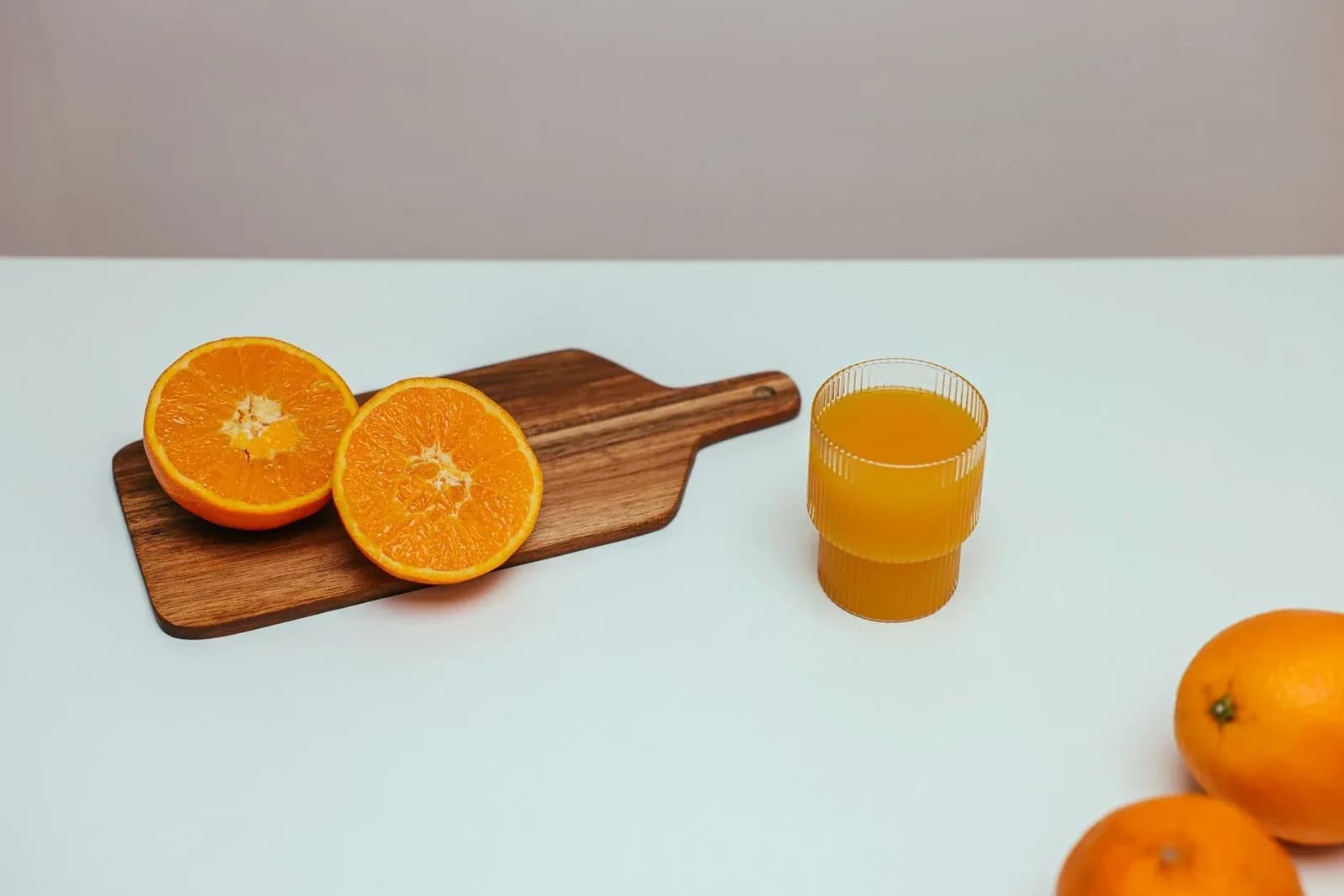
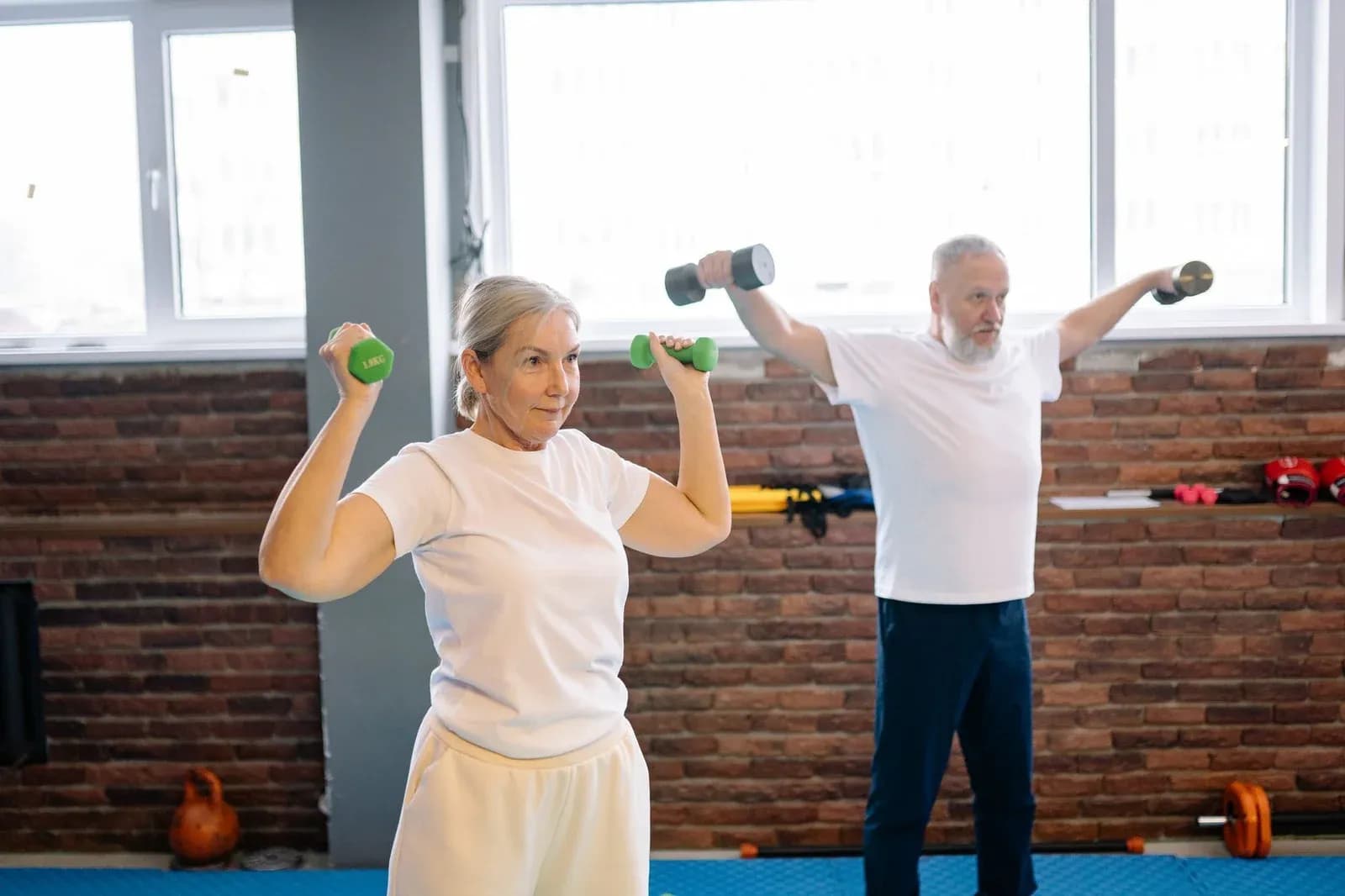
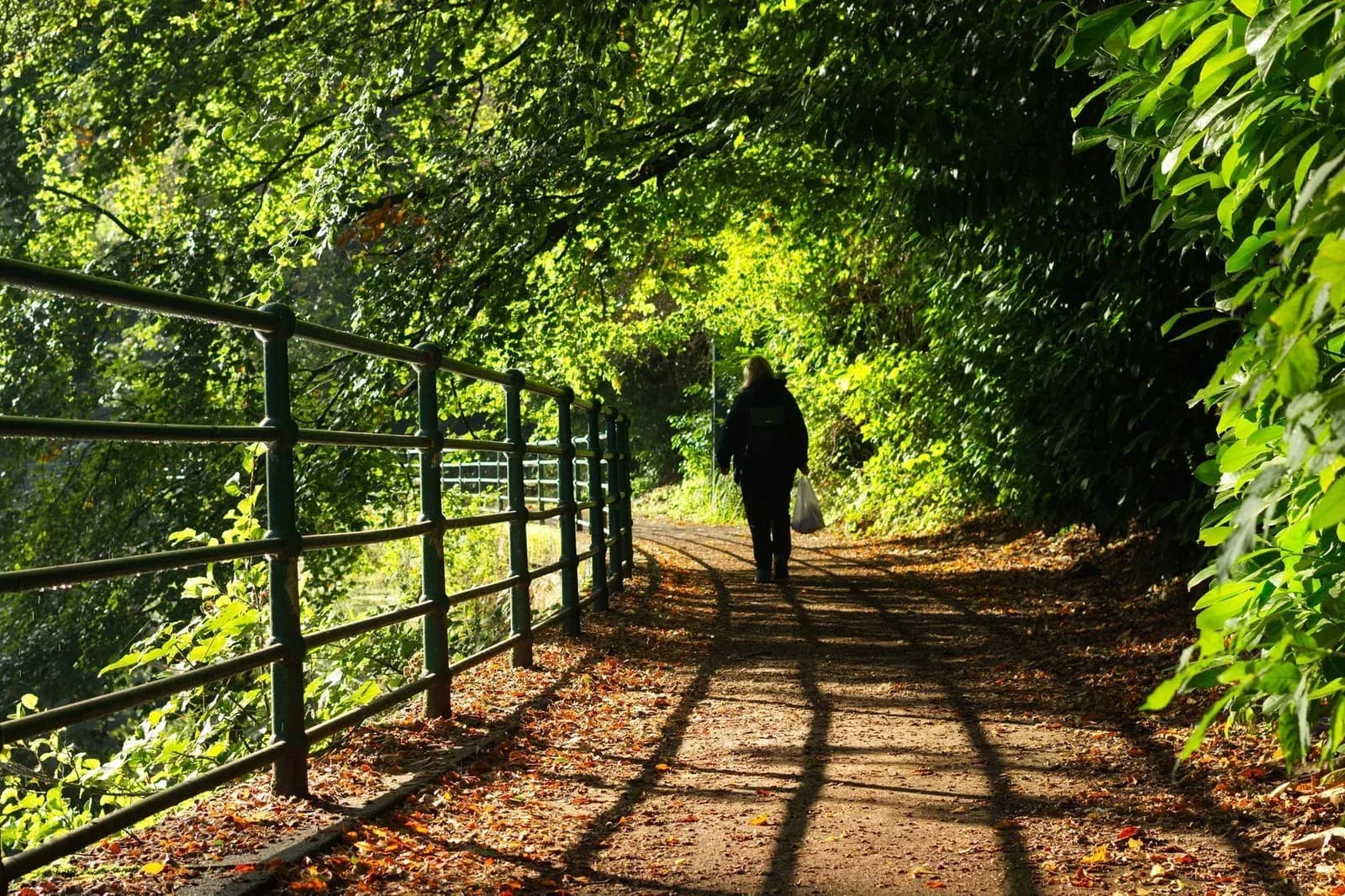
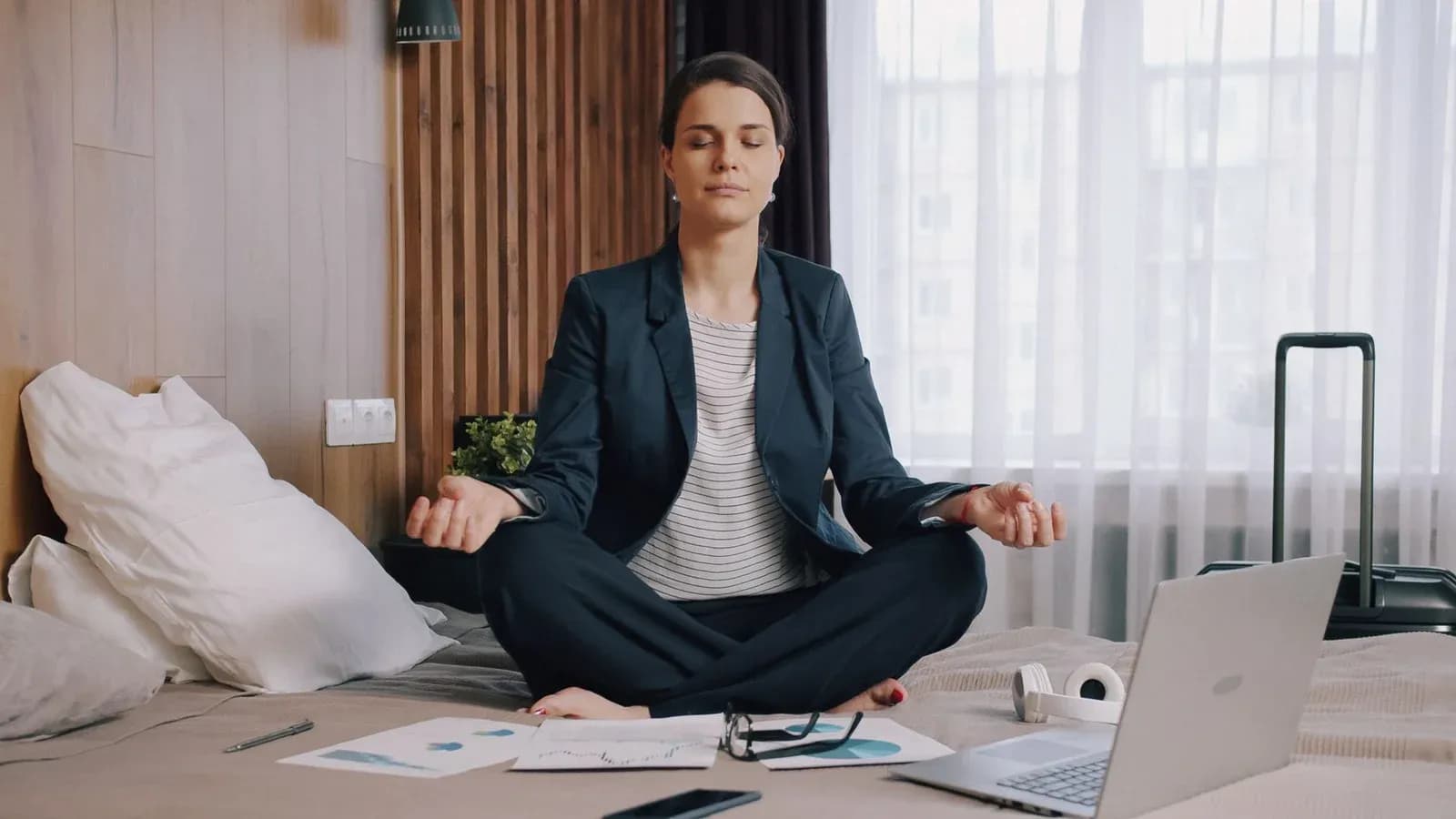
Most of the illnesses we fear in later life begin years earlier, in small daily habits. This November, Rich Health is about the steps you can take now.
Editor's Letter
Editor's Letter: Prevention First, and the Best Treatment Is the One You Never Need
By Dr Marina Nani
When did you last book a check-up while you felt perfectly well?
Most of us wait for a reason. A pain will not go away, a test result comes back wrong or a friend receives bad news, and only then do we pick up the phone. Yet the most valuable appointment is the one you make before anything goes wrong.
We have called this edition Prevention First. Every story in it starts from one idea: the habits you keep this winter shape how you feel in ten, twenty and thirty years.
You do not need to change your whole life. Choose one habit from these pages, keep it for a month, then add another. Small steps taken early protect you better than big promises made too late.
Book the check-up. Take the walk. Call the friend.
Then write and tell me which habit you chose. I would love to hear how you are getting on.
Marina Nani Editor-in-Chief
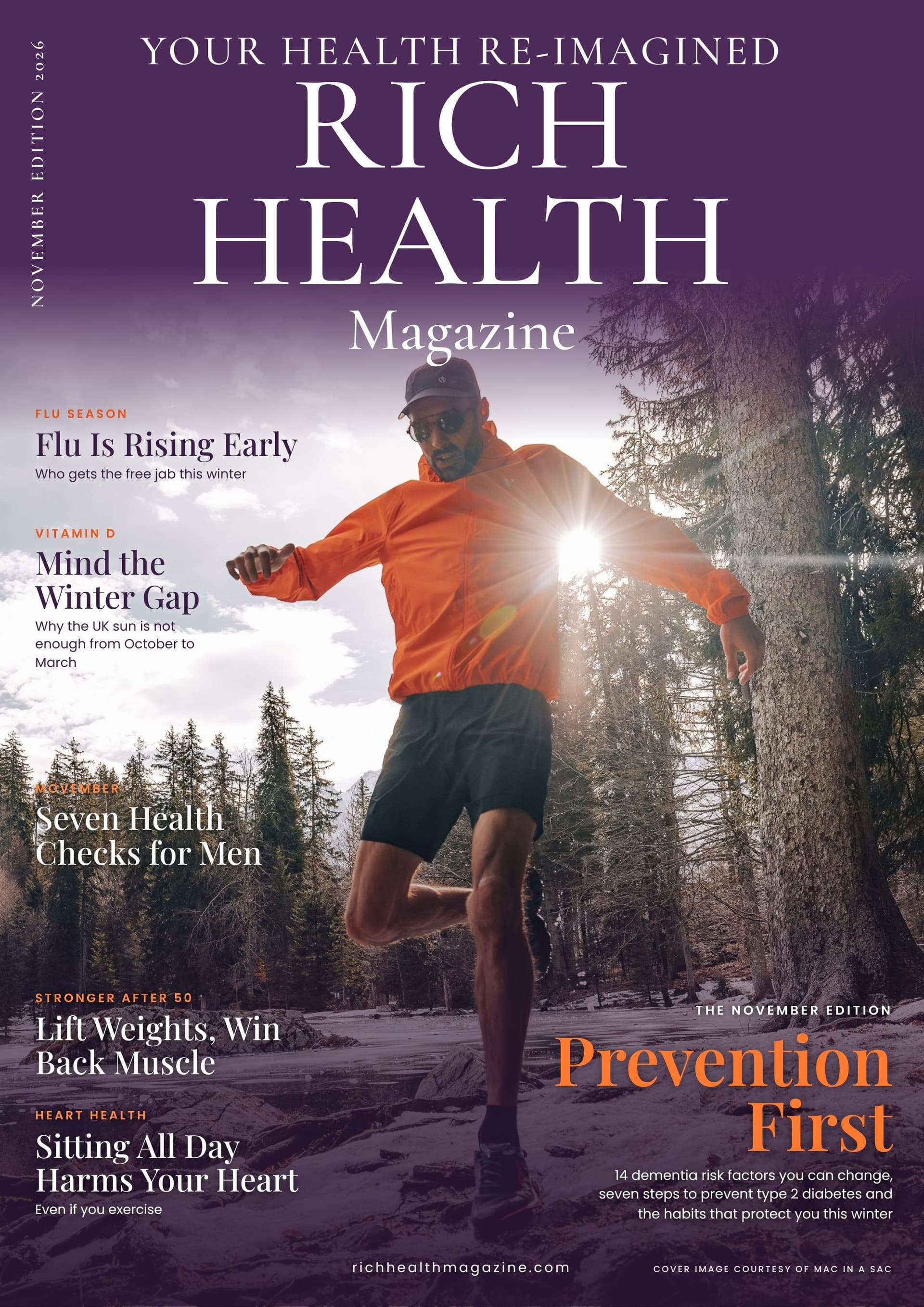
Mac in a Sac's Venture Ultralite Running Jacket Keeps Your Winter Exercise on Track, at £74.99
By Dr Marina Nani
The hardest part of winter exercise is the first step out of the door. Rain on the window, darkness by half past four and a cold wind give most of us a reason to stay in. Yet the habits that protect your heart, your blood sugar and your mood work best when you keep them all year, not only in summer.
The runner on our November cover wears the Venture Ultralite Running Jacket in neon orange from Mac in a Sac, the brand known for waterproofs that pack into their own pocket. On a winter trail the jacket does two jobs: it keeps the rain out, and it makes you easy to see.
The weather changes none of this. If your routine stops in November, the gains you built over the summer fade by spring. The simplest fix is kit that makes a wet, cold morning feel manageable.
The Venture Ultralite Running Jacket
The Venture Ultralite is a lightweight stretch running jacket from the Venture Series, the brand's performance range. Its 2.5-layer shell has fully taped seams and is rated waterproof to 8,000mm, and the stretch fabric moves with you on a climb or a fast descent. Elasticated cuffs let you push the sleeves up when you warm up.
The men's jacket weighs about 240g in a medium and packs into its own pocket, so you can carry it on a dry morning and pull it on when the clouds change. Two zipped front pockets hold a key and a phone, and reflective details help drivers see you on dark evenings.
The jacket costs £74.99. The men's version comes in neon orange, blue and black in sizes XS to XXXL, and a women's version comes in navy in UK sizes 6 to 18.
How to Keep Exercising Outdoors Through Winter
Dress for the second mile, not the first. You should feel a little cold when you set off.
Wear something bright or reflective after dark, so drivers see you sooner.
Carry a waterproof light enough to forget about, so a shower never cancels your run or walk.
Go out at lunchtime when you can, to catch the daylight.
Watch your footing on frost, wet roots and fallen leaves, and shorten your stride on slippery ground.
Warm up indoors for five minutes before you leave on very cold days.
You do not need a perfect plan for winter. You need a plan you keep, and the right jacket makes that easier.
A Holistic Approach to Prevention Works Best When Every Habit Supports the Others: 7 Ways to Protect Your Health From Food to Meditation
By Dr Marina Nani
Most long-term illness builds up from a handful of everyday habits. The World Health Organization puts the same four at the top of its list for a healthy life: avoid tobacco, limit alcohol, eat a varied diet and stay active. A holistic approach treats these as one system. Better sleep makes it easier to move, movement lifts your mood and a calmer mind makes better food choices more likely.
Holistic prevention works alongside your doctor, not instead of them. Keep your screening appointments and prescribed medicines, and use the habits below to lower your risk between visits.
Eat a Varied, Balanced Diet
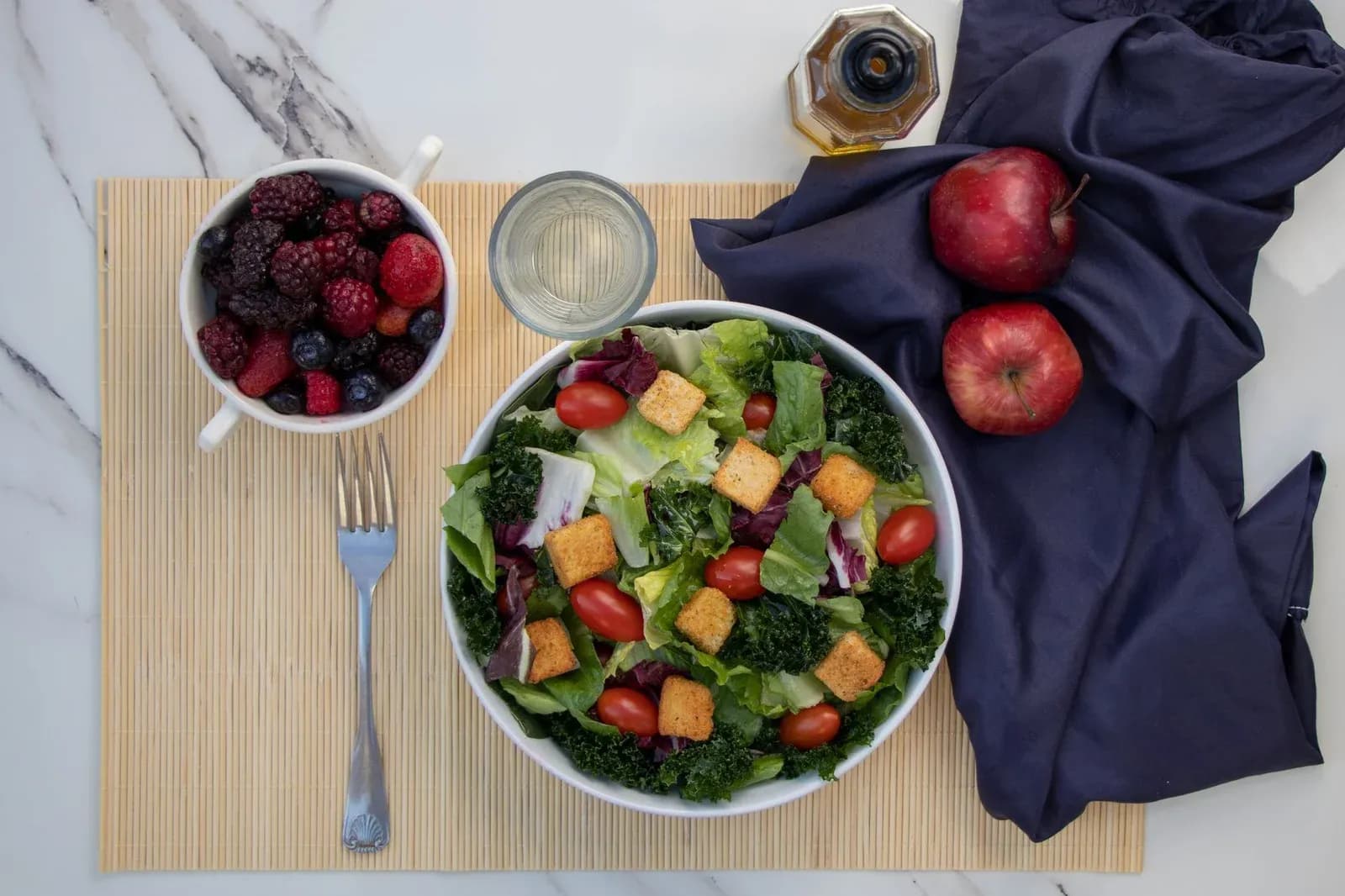
A healthy diet draws on every food group rather than cutting any out. Build your meals around vegetables, fruit, wholegrains, beans and pulses, and keep processed food for the occasional treat.
Salt deserves special attention. The WHO sets a maximum of 5g a day, about a teaspoon, and most countries go over it. Much of that salt hides in bread, ready meals and sauces, so check labels and cook from scratch when you can.
Move Every Day and Build Strength Twice a Week
The NHS guideline for adults is 150 minutes of moderate activity a week, such as brisk walking or cycling, or 75 minutes of vigorous activity such as running. Spread it across four or five days. Add strength exercises that work all your major muscles on at least two days a week, and break up long spells of sitting with a few minutes on your feet.
Movement protects your brain as well as your heart. Our piece on how exercise grows new brain cells explains what happens inside your head when you move.
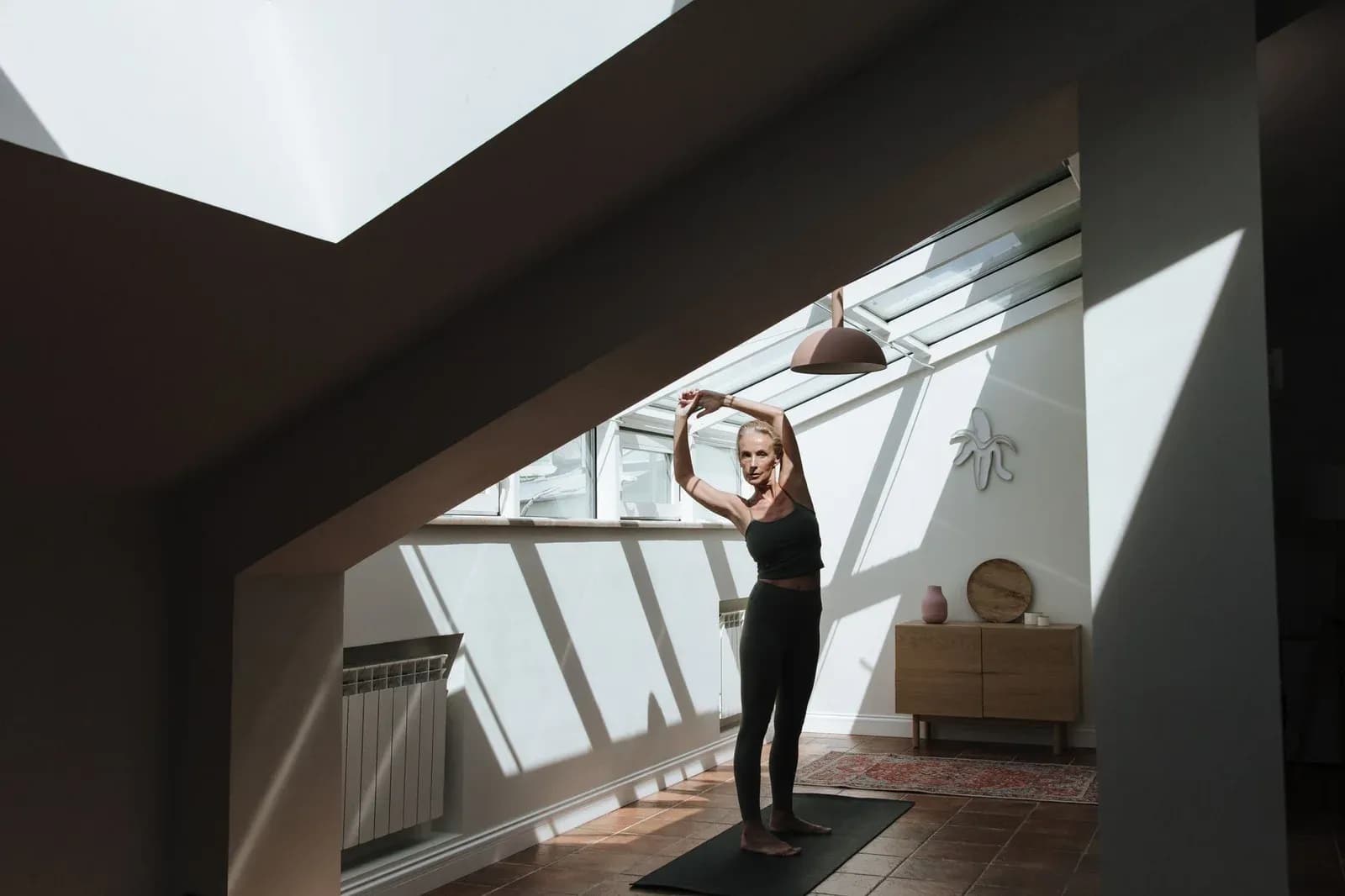
Use Yoga for Balance, Flexibility and Calm
Yoga counts towards your strength and flexibility, and it trains your balance at the same time. In people aged 60 and over, yoga-based exercise improves balance and mobility, two of the abilities that protect you from falls as you get older.
Start with a beginners' class led by a qualified teacher, and tell them about any injuries or health conditions so they can adapt the poses for you.
Make Space for Meditation and Mindfulness
Meditation trains your attention to stay with the present moment rather than running through worries. Mindfulness-based cognitive therapy, a structured course that combines meditation with practical skills for handling negative thoughts, may help prevent depression from coming back about as well as staying on antidepressants, according to NIHR evidence.
You do not need a retreat to begin. Ten minutes a day sitting with your eyes closed, following your breath and bringing your attention back each time it drifts, is enough to start building the habit. If you take antidepressants, do not stop them without speaking to your doctor first.
Use Herbal Remedies With Care
Herbal remedies act on your body in the same way as other medicines, so they deserve the same caution. Most have not been tested for effectiveness the way prescribed medicines are. Before you try one, run through these checks:
Look for the THR mark. A traditional herbal registration mark and an MHRA product code on the packet show the product meets UK safety and quality standards. It covers minor problems you can treat yourself, such as colds or minor aches, and not serious conditions.
Check for clashes with your medicines. The NHS warns that some herbal remedies interact with statins, antidepressants, the diabetes medicine metformin, the blood pressure medicine ramipril, the blood thinner warfarin and the combined contraceptive pill. St John's wort is a well-known example. Ask a pharmacist before you start.
Avoid them in pregnancy and while breastfeeding. The same applies to children and to anyone with kidney or liver problems.
Tell your doctor what you take. This matters most before surgery, as some herbs affect blood clotting, blood pressure or anaesthesia.
Avoid unlicensed products sold online. The NHS warns they may not be safe.
Herbs in your cooking carry far less risk. Our guide to herbs that add value to your food covers the ones with good evidence behind them.
Cut Out Tobacco and Limit Alcohol
Tobacco kills 1.1 million people a year in the WHO European region, including 153,000 who breathed in other people's smoke. Stopping is the single biggest change most smokers can make, and your local NHS stop smoking service can help you for free.
With alcohol, the WHO advice is that less is better and none is best. If you drink, keep several days a week alcohol-free and swap your evening glass for a low or no alcohol alternative.
Protect Your Sleep
Sleep is when your body repairs tissue and your brain clears the day's waste. Poor sleep makes every other habit harder, from resisting sugary snacks to finding the energy to exercise. Keep a fixed wake-up time, get daylight in the morning and stop caffeine by the early afternoon. Our guide to preventing insomnia covers ten habits in detail.
Bring It Together
Change one habit at a time and give it a few weeks before you add the next. A walk after dinner, a vegetable added to every meal and ten minutes of breathing before bed will do more for you than an ambitious plan you drop after a fortnight. See your GP about any symptom that lasts or keeps coming back, rather than treating it yourself.
Inflammation Prevention Diet: 10 Foods to Eat and 5 to Limit
By Dr Marina Nani
Inflammation is how your body heals. When you cut your finger or catch a cold, your immune system sends a short burst of inflammation to repair the damage, and then it switches off.
Chronic inflammation is different. Your immune system stays mildly switched on for months or years, and that low-level activity is linked with heart disease, type 2 diabetes, fatty liver disease and painful joints. Food is one of the levers you control every day. The eating pattern with the strongest record is the traditional Mediterranean one: plenty of plants, olive oil and fish, and very little processed food.
Foods That Help Lower Inflammation
Oily Fish
Salmon, mackerel, sardines, herring and trout are rich in omega-3 fats, which your body turns into compounds that help switch inflammation off. UK advice is to eat at least two portions of fish a week, one of them oily. Tinned sardines and mackerel count and cost little.
Extra Virgin Olive Oil
Extra virgin olive oil contains plant compounds called polyphenols, including one with an effect similar to a mild painkiller. Make it your main fat for dressings and everyday cooking.
Leafy Greens
Spinach, kale, rocket, cabbage and watercress supply vitamin K, folate, magnesium and antioxidants. Aim for a handful every day, raw or lightly cooked.
Berries
Blueberries, raspberries, blackberries and strawberries owe their deep colours to antioxidant pigments that help calm inflammation. Frozen berries work just as well and last longer.
Nuts and Seeds
Walnuts, almonds, ground flaxseed and chia seeds provide healthy fats, fibre and plant omega-3. A small handful of about 30g a day is enough.
Beans, Lentils and Chickpeas
These are among the richest sources of fibre. Your gut bacteria ferment fibre into short-chain fatty acids, which help keep your gut lining healthy and your immune system calm. UK advice is 30g of fibre a day, while most adults eat around 20g.
Whole Grains
Oats, barley, brown rice, rye and wholemeal bread release energy slowly and avoid the sharp blood sugar spikes that refined grains cause. Swap one white staple a day for its wholegrain version.
Tomatoes
Tomatoes contain lycopene, an antioxidant that your body absorbs more easily when the tomatoes are cooked with a little olive oil. A tomato sauce counts as much as a fresh salad.
Fermented Foods
Live yoghurt, kefir and fermented cabbage add beneficial bacteria to your gut. Choose plain versions without added sugar.
Herbs and Spices
Turmeric, ginger, garlic, cinnamon and rosemary all contain anti-inflammatory compounds. Your body absorbs the active ingredient in turmeric poorly on its own, so pair it with black pepper and a little fat.
Foods That Feed Inflammation
Ultra-processed foods: packaged snacks, ready meals and products with long lists of ingredients you would not cook with at home tend to raise inflammation markers.
Sugary drinks and added sugar: fizzy drinks, sweetened coffees and sweets push blood sugar up fast and add fat around your liver.
Refined white flour: white bread, pastries and biscuits behave much like sugar once you digest them.
Processed meat: bacon, ham, sausages and salami are linked with higher inflammation and bowel cancer risk. UK advice is to keep red and processed meat to 70g a day or less.
Alcohol: regular drinking inflames your gut and liver, and less is better for both.
A Simple Anti-Inflammatory Day of Eating
Breakfast: porridge made with oats, topped with berries, ground flaxseed and chopped walnuts.
Lunch: lentil and tomato soup with a slice of wholemeal bread and a drizzle of olive oil.
Snack: a pot of live yoghurt and a small handful of almonds.
Dinner: baked salmon or mackerel with roasted vegetables in olive oil, barley or brown rice and a green salad.
Habits Beyond the Plate
Your diet works best alongside the rest of your routine. Poor sleep, long hours sitting still, smoking and fat stored around your waist all keep inflammation raised, so a nightly walk and a regular bedtime do as much for you as the salmon.
If you have an inflammatory condition such as rheumatoid arthritis or Crohn's disease, or you take regular medication, talk to your GP or a registered dietitian before you make big changes. A simple blood test for C-reactive protein, a marker of inflammation, can show where you stand.
How to Prevent Type 2 Diabetes: 7 Steps to Take Now
By Dr Marina Nani
World Diabetes Day falls on 14th November, and this year the International Diabetes Federation and the World Health Organization have chosen 'Early action on diabetes' as the theme. The campaign focuses on earlier diagnosis, better access to care and less stigma around a condition that many people carry for years before anyone names it.
In the UK, Diabetes UK estimates that almost 1.3 million people are living with type 2 diabetes that has not yet been diagnosed. More than 4.7 million people already have a diagnosis, and a further 6.9 million are at increased risk because their blood sugar is higher than it should be. Taken together, the charity puts the number of adults living with diabetes or prediabetes at more than 12 million.
Type 2 diabetes often develops slowly, and the NHS notes that not everyone gets symptoms. That delay has a cost. A 2019 Diabetes UK review found that one in three people already had damage to the small blood vessels, the kind that affects the eyes, kidneys and nerves, by the time they were diagnosed with type 2 diabetes.
Type 2 diabetes can often be prevented, according to the National Institute for Health and Care Research, because a healthy weight and lifestyle greatly reduce the risk. Caught early, it is also far easier to manage, and for some people it can go into remission. These seven steps are where to start.
Learn the four most common signs
The NHS lists the most common symptoms of type 2 diabetes as feeling very tired, peeing more than usual, feeling thirsty all the time and losing weight without trying. Blurred vision, cuts that take longer to heal, and itching around the genitals or repeated bouts of thrush can also be signs. These symptoms tend to build gradually, so many people put them down to age, stress or a busy winter. If several of them sound familiar, the NHS advises seeing a GP.
Find out whether you are in a higher-risk group
Many people with type 2 diabetes have no symptoms at all, so knowing your risk matters as much as knowing the signs. The NHS says your risk is higher if you are white and over 40, or over 25 and from a South Asian, Chinese, Black African or Black Caribbean background. A parent, brother or sister with type 2 diabetes raises the risk, as does carrying extra weight with little physical activity, or having a condition such as high blood pressure. Diabetes UK's free Know Your Risk tool takes a few minutes online and tells you what to do next.
Book the free NHS Health Check if you are 40 to 74
Adults in England aged 40 to 74 without an existing health condition can ask their GP surgery or a local pharmacy for a free NHS Health Check, which looks at the risk factors for diabetes, heart disease and stroke. A study published in the British Journal of General Practice this year followed 158,645 adults in the London borough of Lambeth between 2009 and 2023. People who attended at least one Health Check had a lower risk of dying from any cause over the study period than those who did not, after the researchers adjusted for other factors. The study was observational, so it shows an association rather than proof that the check itself saved lives, but it gives good reason to go when the invitation arrives.
Treat a prediabetes result as a warning, not a verdict
Type 2 diabetes is diagnosed with a blood test that measures blood sugar, and the results usually take a few days. Some people learn instead that they have prediabetes, which means their blood sugar is higher than normal but not yet in the diabetes range. The NHS says this raises the risk of type 2 diabetes in future and advises talking to the care team about healthier eating, exercise and other changes that can prevent it. In England, people with prediabetes may be offered a place on Healthier You, the NHS Diabetes Prevention Programme.
If you were diagnosed in the last six years, ask about remission
Remission means blood sugar falls below the diabetes range without diabetes medication. The NHS Type 2 Diabetes Path to Remission programme, run with Diabetes UK, is open to people diagnosed in the past six years when their GP or diabetes team considers it suitable. It starts with 12 weeks of nutritionally complete soups, shakes and bars providing 800 to 900 calories a day, followed by a gradual return to ordinary healthy food over the rest of the year. A study in The Lancet Diabetes and Endocrinology found that one in three people who completed the programme had put their type 2 diabetes into remission. More than 13,000 people enrolled in 2024 to 2025, almost double the year before. A diet this low in calories needs medical supervision, particularly for anyone taking medication that lowers blood sugar, so the first step is a conversation with your GP.
Younger adults have even more to gain
Type 2 diabetes is becoming more common in younger people, according to the National Institute for Health and Care Research, and NHS England has said it wants more referrals of younger and recently diagnosed people, where the impact of remission is greatest. A trial run in the UK and Canada, published in The Lancet Regional Health, Americas, tested a supervised plan for adults aged 18 to 45 with obesity and early type 2 diabetes. Participants followed an 800 to 900 calorie diet with regular aerobic and strength training, and after 24 weeks 27 of the 50 were in remission, compared with 4% of those on standard care. The programme was intensive and closely supported, so nobody should try to copy it at home, but it gives younger people a strong reason to ask about remission early.
Ask whether glucose monitoring could help you
Continuous glucose monitors are small sensors worn on the upper arm that track blood sugar through the day and night, usually sending readings to a phone. Until recently they were recommended only for people using insulin. In October, Reuters reported on a six-month trial of 283 adults with type 2 diabetes who were not on insulin. Average HbA1c, a measure of blood sugar over the previous two to three months, fell from 8.8% to 7.2% in those using a monitor, against a fall from 8.7% to 8.0% with routine care, and the benefit held across age, sex, ethnicity, weight and income. The trial was sponsored by the device maker Dexcom. In the UK, NHS funding for monitors in type 2 diabetes is still largely limited to people who use insulin, so most people outside that group would have to pay privately. It is still worth asking your diabetes team whether a short period of monitoring would help you see how your meals, sleep and activity affect your blood sugar.
A blood test, a few minutes on an online risk tool or a free check at a pharmacy can bring a diagnosis forward by years, and the remission evidence shows that the first years after diagnosis are when change is most achievable. If any of the risk factors above apply to you, 14th November is a good date to book the appointment.
How to Lower Your Dementia Risk: 14 Factors You Can Change
By Dr Marina Nani
Dementia is often talked about as a matter of bad luck or bad genes, but the largest review of the evidence points to something more hopeful. In July 2024, the Lancet Commission on dementia prevention, intervention and care, led by Professor Gill Livingston of University College London, concluded that nearly half of dementia cases worldwide are linked to 14 risk factors that individuals and governments can change.
The commission named 12 of those factors in its 2020 report. The 2024 update added two more: high levels of LDL cholesterol, often called 'bad' cholesterol, in midlife, and untreated vision loss in later life. Researchers at the University of Cambridge who worked on the report calculated that the original 12 account for around 40% of cases and the two new factors for a further 9%.
Several of the 14 are familiar from heart health: high blood pressure, smoking, obesity, diabetes, physical inactivity and drinking too much alcohol. Others surprise people. Untreated hearing loss and high LDL cholesterol each account for around 7% of cases worldwide, the largest share of any factor. Less education in childhood and social isolation in later life account for around 5% each, and depression, head injury and air pollution complete the list.
'It's never too early or too late to take action,' Livingston said when the report was published. The steps below follow the commission's own recommendations.
Get your hearing tested
Hearing loss is the single largest risk factor in the report, and the commission recommends making hearing aids available to everyone who needs them and cutting exposure to harmful noise. Many people put off a hearing test for years, often because they assume their hearing is not bad enough to matter. If you turn the television up, ask people to repeat themselves or struggle to follow conversations in restaurants, ask your GP for a referral. NHS hearing aids are provided free, along with batteries, repairs and aftercare.
Know your cholesterol from 40
The commission recommends detecting and treating high LDL cholesterol in midlife from around the age of 40. In England, a cholesterol test is part of the free NHS Health Check offered every five years to adults aged 40 to 74 who do not already have certain conditions. If your result is high, talk to your GP about diet, activity and whether medication would help.
Look after your eyesight
Untreated vision loss accounts for around 2% of cases, and the commission calls for screening and treatment to be accessible to everyone. NHS eye tests are free for everyone aged 60 or over, and for people aged 40 or over whose parent, brother, sister or child has glaucoma. Common causes of poor sight, such as cataracts, can often be treated, so a change in your vision is worth reporting rather than living with.
Keep blood pressure, blood sugar and weight in check
High blood pressure, diabetes and obesity in midlife all raise the risk of dementia later on. The NHS Health Check measures blood pressure and looks at your risk of type 2 diabetes, so the same appointment covers several factors at once. Stopping smoking and drinking within the UK low-risk guideline of 14 units a week tackle two more.
Stay connected
Social isolation in later life accounts for around 5% of cases. The commission wants communities and housing designed to make social contact easier, but individuals can act too. A weekly class, a walking group, volunteering or a regular call with an old friend all count, and the earlier these habits start, the more likely they are to last into later life.
Treat depression and keep your mind busy
The commission recommends treating depression effectively and staying cognitively active in midlife. Low mood that lasts more than a couple of weeks is worth raising with a GP, and learning something new, whether a language, an instrument or a demanding hobby, keeps the brain working.
Protect your head
Head injury is on the list, which is why the commission recommends helmets and head protection for cycling and contact sports. Air pollution is harder for any one person to control, so the commission calls on governments to bring in strict clean air policies.
The commission also stresses that dementia risk is higher for people from deprived backgrounds and some ethnic minority groups, and Livingston urged governments to make healthy lifestyles achievable for everyone. The 'nearly half' figure describes populations, not a guarantee for any one person, and some cases will happen whatever anyone does. For most readers, though, the first steps cost little: a hearing test, an eye test and a cholesterol check can all be booked this week.
Does the Shingles Vaccine Prevent Dementia? What the Evidence Shows and Who Can Get the Jab Free on the NHS
By Dr Marina Nani
The shingles vaccine was designed to stop a painful rash. Over the past two years, studies covering hundreds of thousands of older adults in Wales, Canada and the United States have found something else: people who had the vaccine were diagnosed with dementia less often than people who did not.
None of this research proves the vaccine prevents dementia. But the results line up across different countries, different vaccines and different methods, and searches for 'does the shingles vaccine prevent dementia' are rising fast in the UK.
The jab is free on the NHS for millions of people, and fewer than half take it up in their first year of being eligible.
Shingles Vaccine and Dementia Research
Wales. Health records for more than 280,000 older adults in Wales showed that people who had the older shingles vaccine, Zostavax, were around 20 per cent less likely to be diagnosed with dementia over the following seven years. The link was stronger in women. The findings were published in Nature in April 2025.
Canada. Researchers in Ontario compared people born just either side of the date that decided who could have the vaccine free. These two groups were alike in health and habits, apart from their access to the jab. Over five and a half years, the eligible group had 2 percentage points fewer new dementia diagnoses, a result the authors judged more consistent with cause and effect than ordinary observational studies.
United States. A study of more than 500,000 older adults published in June 2026 looked at Shingrix, the vaccine the NHS now uses. Adults who had Shingrix after a stay in a nursing facility had a 24 per cent lower risk of a dementia diagnosis over four years. The study received funding from GSK, which makes Shingrix, though the company had no control over the design or the results.
A wider review. A review of existing medicines that could be repurposed against Alzheimer's disease, funded by Alzheimer's Society and published in February 2026, named the shingles vaccine as the most promising candidate. Across previous studies, vaccinated people were about 16 per cent less likely to develop dementia.
Why the Shingles Vaccine Might Protect Your Brain
Shingles comes from the chickenpox virus, which stays in your nerve cells for life after childhood chickenpox and can wake up decades later. Earlier research links shingles to a higher risk of cognitive decline, including dementia.
There are three main explanations under study. The first is that the virus itself, or the inflammation it causes, damages the brain over time, and the vaccine keeps it suppressed. The second is that shingles raises your risk of stroke, and stroke is one of the strongest risk factors for dementia. The third is that the vaccine gives your immune system a wider boost that reaches beyond shingles.
What the Research Cannot Prove Yet
Every study so far is observational. People who choose vaccines may also exercise more, see their GP more and look after their health in other ways, and these habits lower dementia risk on their own. The Canadian design reduces that problem, but only a randomised trial can settle it, and none has reported yet.
Most of the strongest evidence comes from Zostavax, a live vaccine the UK no longer uses. The newer Shingrix data is encouraging but covers a shorter period.
For now, the shingles vaccine is a proven way to prevent shingles, with a possible benefit for your brain that scientists are still testing.
Who Can Get the Shingles Vaccine Free on the NHS
In England, you can have the shingles vaccine free if you:
turned 65 on or after 1st September 2023
are aged 70 to 79
are aged 18 or over with a severely weakened immune system
If you turned 65 before 1st September 2023, you become eligible when you turn 70.
You stay eligible until your 80th birthday, and you can have your second dose up to your 81st. The programme is expanding in stages until everyone aged 60 and over is eligible by 2033.
Ask your GP surgery if you think you are eligible and have not been contacted. Private clinics and pharmacies also offer Shingrix to people aged 50 and over who are not yet eligible on the NHS.
Shingles Vaccine Uptake in England
Only 42.1 per cent of people who turned 66 had received their first dose by October 2025, after a full year of eligibility. Among people turning 71, uptake was 53.5 per cent.
If you, a parent or a partner fall into an eligible group, checking takes one call to the GP surgery.
How the Shingles Vaccine Works
Shingrix is given as two injections. Most people have the second dose 6 to 12 months after the first. If you have a severely weakened immune system, the gap is 8 weeks to 6 months.
Shingrix is not a live vaccine and cannot give you shingles. It reduces your risk of getting shingles by more than 70 per cent. You should still have it if you have had shingles before, as shingles can come back.
You can have it at the same appointment as your flu or COVID-19 vaccine, so if you are booking your flu jab this winter, ask for both.
Other Ways to Lower Your Dementia Risk
The Lancet Commission on dementia estimates that nearly half of dementia cases could be prevented or delayed by tackling 14 risk factors across your life, from high blood pressure and hearing loss to inactivity, smoking and loneliness. Our guide to the 14 dementia risk factors you can change explains each one.
Keeping your blood pressure normal, avoiding diabetes and not smoking in midlife are linked to 13 more dementia-free years.
Dementia Prevention Questions
Does the shingles vaccine prevent dementia?
Studies in Wales, Canada and the United States have found that people who had the shingles vaccine were diagnosed with dementia less often, by between about 16 and 24 per cent depending on the study. These studies show a link, not proof that the vaccine prevents dementia. Randomised trials are needed to confirm it. The vaccine is proven to prevent shingles.
How can you prevent dementia?
You cannot always prevent dementia, but you can lower your risk. The Lancet Commission on dementia identifies 14 risk factors you can change, including high blood pressure, hearing loss, high cholesterol, diabetes, smoking, drinking too much alcohol, physical inactivity, obesity, depression, social isolation, untreated vision loss, head injury, air pollution and less education in early life. Together they account for nearly half of dementia cases.
How can you prevent dementia naturally?
Staying physically active, eating a balanced diet, keeping your weight and blood pressure in a healthy range, not smoking, drinking less alcohol, staying socially connected and keeping your mind active all lower your risk of dementia. Treating hearing loss with hearing aids and getting your eyesight checked also help.
What is the best way to prevent dementia?
There is no single best way. The strongest evidence supports tackling several risk factors together, especially high blood pressure, hearing loss, inactivity, smoking and social isolation, starting in midlife or earlier. Ask your GP about an NHS Health Check if you are aged 40 to 74, as it checks your blood pressure, cholesterol and diabetes risk.
Three Hard Minutes a Day Linked to Lower Cancer Risk
By Dr Marina Nani
Running for a bus, taking the stairs two at a time and carrying heavy shopping up a hill may matter more for cancer risk than most people assume. A study led by researchers at University College London, published in BMC Medicine in August, followed 59,218 adults from the UK Biobank who wore wrist activity trackers. Over a median follow-up of eight years, 2,385 of them developed one of 13 cancers linked to physical inactivity, including bowel, lung, kidney, liver, stomach and womb cancer.
Rather than asking simply whether people exercised, the researchers looked at how they spent all 24 hours of the day: sleeping, sitting, standing and moving at different intensities. They then estimated how cancer risk changed when time shifted from one of those to another.
Three minutes of hard effort matched 90 minutes of gentle activity
Replacing three minutes of sleep, sitting, light activity or moderate activity with three minutes of vigorous activity was associated with a 4% lower cancer risk. To see a similar difference from light activity alone, people needed more than 90 extra minutes a day in place of sleep or sitting. The authors described vigorous effort as the critical intensity.
The NHS describes vigorous activity as effort that makes your breathing hard and fast, so that you cannot say more than a few words without pausing for breath. It does not need a gym or special clothes, and in daily life it often comes in bursts of a minute or two.
Every 15 minutes of movement counted
Movement at any pace still helped. Replacing 15 minutes of sleep or sitting with 15 minutes of movement was linked to a 2% lower risk, and UCL reported that swapping 30 minutes of movement for sitting was linked to an 8% higher risk. Lead author Dr John Mitchell said the findings pointed to a raised risk for people who spend a lot of their day sitting down, and he argued for guidelines that cover the whole 24 hours, letting people choose the changes that suit their lives.
What the study cannot tell you
The study is observational, so it shows a link rather than proof that moving more prevents cancer. It compares different people rather than following what happens when one person changes their habits, and the authors themselves warn that the estimates need cautious reading. The link with vigorous activity also lost statistical significance when cancers diagnosed in the first two years were left out, which raises the possibility that illness not yet diagnosed made some people less active. Breast cancer, the most common cancer in the group, showed no link at all, and UK Biobank volunteers tend to be healthier and less ethnically diverse than the wider population.
Some newspaper coverage in August presented the findings as proven. They are better read as one more reason to follow the existing advice: the NHS recommends that adults do at least 150 minutes of moderate activity or 75 minutes of vigorous activity a week, and that they break up long periods of sitting.
Take the stairs at pace
Stairs are the easiest place to find vigorous minutes, because most people climb some every day. Taking them briskly, or two at a time if your knees allow, turns an ordinary minute into a hard one.
Walk as if you are late
Picking up your pace for the last few minutes of a walk to the station, the shops or the school gate raises your heart rate without adding any time to your day. A hill on the route helps even more.
Carry the load
Carrying shopping home, pushing a heavy pram uphill or digging the garden all count as vigorous effort when they leave you out of breath. Choosing to carry rather than wheel a bag for part of the way is a small change that adds up.
Break up long spells of sitting
Every 15 minutes moved from the chair to your feet counted in this study. Standing for phone calls, walking to speak to a colleague instead of sending a message and getting up during television adverts all reduce the time spent sitting.
If you have a heart condition, have not been active for a long time or have any health concerns, speak to your GP before adding vigorous activity. For most adults, though, a few hard minutes spread across the day are among the easiest changes to make.
Sitting More Than 10 Hours a Day Harms Your Heart Even If You Exercise: 8 Ways to Break It Up
By Dr Marina Nani
You can do 150 minutes of exercise every week and still put your heart at risk if you spend most of the rest of the day in a chair. Many adults sit for more than seven hours a day at work, on transport and in front of a screen, and people over 65 spend ten hours or more each day sitting or lying down.
In a group of almost 90,000 adults in Britain who wore activity trackers for a week and were followed for around eight years, the risk of heart failure and heart-related death stayed fairly flat until daily sitting passed about 10.6 hours. Beyond that point it rose sharply. Even people who met the exercise guidelines were 15 per cent more likely to develop heart failure and 33 per cent more likely to die from heart disease than those who sat less.
The same data carries good news. Swapping just 30 minutes of sitting a day for any kind of movement lowered the risk, and even light activity such as slow walking made a measurable difference.
What a Sedentary Lifestyle Does to Your Body
Your leg and back muscles are the largest in your body. When they stay still for hours, they draw less sugar and fat out of your blood, so both stay higher for longer after you eat. Your circulation slows, especially in your legs, and your body burns less energy across the day.
Over months and years, long periods of sitting raise your risk of heart disease, stroke, type 2 diabetes, weight gain and obesity. The NHS warns that you can hit your weekly activity target and still be at risk of ill health if you spend the rest of the time sitting or lying down.
How to Tell If You Sit Too Much
Add up a normal weekday. An hour of commuting, eight hours at a desk, an hour of meals and two hours on the sofa in the evening come to twelve hours, which puts you well past the point where risk climbs. Count the time you spend lying down awake as well, such as scrolling in bed.
Many smartwatches and phones track how long you stay still and can send a reminder to move. Use one for a week to see your real number before you change anything.
8 Ways to Sit Less at Your Desk and at Home
1. Stand Up Every 30 Minutes
Set a timer on your phone or computer and stand up every half hour, even for one or two minutes. Walk to the window, refill your water or stretch. Breaking up long stretches of sitting helps keep your blood sugar steadier through the day.
2. Take Phone Calls Standing or Walking
Make every phone call a reason to get up. Pace your office, walk around the garden or step outside. A day of four or five calls can add half an hour of movement without changing your schedule.
3. Use a Walking Pad Under a Standing Desk
A walking pad is a slim, low-speed treadmill that fits under a standing desk. Walking slowly while you answer emails, read reports or join video calls turns hours of desk time into light activity. Start with 20 to 30 minutes at an easy pace, and save detailed writing for when you sit down.
4. Walk for Ten Minutes After Lunch
A short walk after your midday meal helps your muscles take up the sugar from your food. It also gets you outside in daylight, which lifts your mood and helps your sleep later. Our guide to keeping up a daily winter walk has eight ways to stay with it until spring.
5. Move Your Essentials Out of Reach
Put your printer, your water bottle and your bin a few steps away from your desk. Each small trip breaks up your sitting time without you having to plan it.
6. Hold Walking Meetings
Suggest a walk for one-to-one meetings that do not need a screen. Many people find they talk more openly side by side than across a desk, and you both finish the meeting having moved.
7. Try Walking Poles at the Weekend
Walking with poles has become a trend among younger women, and it is a smart way to get more from a walk. The poles bring your arms, shoulders and upper back into every stride, so the same walk works more of your body and takes more effort. They also take some of the load off your knees on hills.
8. Break Up Your Evening on the Sofa
Evenings on the sofa are often the longest stretch of sitting in the day. Stand up between episodes, do a few squats or calf raises while the kettle boils and fold the laundry standing up rather than sitting down.
Exercise Still Counts
None of this replaces exercise. The UK guidelines recommend at least 150 minutes of moderate activity a week, the kind that raises your heart rate and leaves you able to talk but not sing. Vigorous exercise brings extra benefits on top, and even three hard minutes a day is linked to a lower cancer risk. Regular activity lowers your risk of early death by up to 30 per cent, and the best results come from combining exercise with less time spent sitting.
FAQ
What is a sedentary lifestyle?
A sedentary lifestyle is a way of living that involves long periods of sitting or lying down with little physical activity. Common examples include sitting at a desk all day, driving short journeys and spending evenings watching television or using a computer. It raises the risk of heart disease, stroke, type 2 diabetes and weight gain.
What is considered a sedentary lifestyle?
You are generally considered sedentary if you spend most of your waking day sitting or lying down and do less than the recommended 150 minutes of moderate activity a week. Many adults sit for more than seven hours a day. Heart risks rise sharply once sitting passes about ten and a half hours a day, even in people who exercise regularly.
What are the effects of a sedentary lifestyle?
Long periods of sitting slow your circulation and reduce how much sugar and fat your muscles take from your blood. Over time, this raises your risk of heart disease, heart failure, stroke, type 2 diabetes, weight gain and obesity. Sitting for long periods is also linked to a higher risk of early death.
How can you avoid a sedentary lifestyle?
Stand up and move for a minute or two every 30 minutes, take phone calls standing or walking and walk for ten minutes after meals. A standing desk or walking pad can turn desk time into light activity. Aim for at least 150 minutes of moderate exercise a week, and break up long evenings on the sofa with short bursts of movement.
Eating Whole Fruit Instead of Juice Is Linked to a Healthier Heart: 7 Ways to Make the Swap
By Dr Marina Nani
If your morning glass of orange juice is your fruit for the day, your heart may be missing out. A survey of more than 371,000 American adults found that people with high blood pressure, high cholesterol, coronary heart disease or a past heart attack ate whole fruit less often than people without those conditions. Juice showed no such clear pattern.
Whole Fruit and Heart Health
On average, the adults in the survey ate whole fruit about once a day and drank 100% fruit juice about once every three days. The gap in whole fruit held across each heart condition measured.
The juice results were mixed. People with high cholesterol drank juice less often, while people who had survived a heart attack drank it more often. Juice showed no clear link with blood pressure or stroke.
The survey captured one moment in time, so it shows a link rather than proof that fruit protects the heart. Some people may also have changed what they eat after a diagnosis. The finding still matches a larger body of evidence: in a study of more than 450,000 adults in China, people who ate fresh fruit every day had 34% fewer major heart events than people who rarely ate it.
Fibre in Whole Fruit Versus Juice
Juicing strips out most of the fibre. A cup of orange segments contains about 3.6g of fibre, while a cup of 100% orange juice contains about 0.5g.
That fibre does several jobs for your heart. Soluble fibre binds to bile in your gut, and your body clears it instead of reabsorbing it. Your liver then draws LDL cholesterol out of your blood to make fresh bile. Fibre also slows the rate at which fruit sugar reaches your bloodstream, and the chewing and intact cell walls of whole fruit keep you fuller for longer. In one comparison, whole apples were more filling than the same amount eaten as apple sauce or drunk as apple juice.
Whole fruit also carries plant compounds called polyphenols that are bound to its fibre. These travel to your colon, where gut bacteria break them down into compounds linked to lower cholesterol and blood pressure.
How Much Fruit Juice a Day Is Safe in the UK
The NHS advises keeping fruit juice, vegetable juice and smoothies to a combined total of 150ml a day, about one small glass, and drinking it with a meal to protect your teeth. That glass counts as one of your 5 A Day, and it counts only once however much you drink.
A small glass of juice still has a place in your diet. A large Dutch study linked up to seven small glasses of 100% fruit juice a week with a lower risk of heart disease, and a Nordic review found the biggest benefit at around 80ml a day. The trouble starts when juice replaces fruit instead of sitting alongside it.
How to Swap Juice for Whole Fruit
Eat your breakfast orange instead of drinking it. Peel an orange or a couple of satsumas and eat them with your breakfast. You get the vitamin C of a glass of juice with around seven times the fibre.
Keep juice to one small glass, with food. Pour 150ml into a small glass rather than a tumbler, and drink it with a meal. Saliva production rises while you eat, which helps protect your teeth from the sugar.
Dilute what you pour. Top up half a glass of juice with still or sparkling water. You halve the sugar and still get the flavour, and the NHS suggests this as a way to make 150ml go further.
Blend rather than juice. A smoothie made from the whole fruit keeps much of the fibre that a juicer throws away. Remember that the NHS still counts smoothies within the same 150ml daily allowance as juice.
Stock frozen and tinned fruit for winter. An 80g portion of frozen berries or tinned peaches counts towards your 5 A Day just like fresh fruit. Choose tins packed in juice or water with no added sugar, and stir frozen fruit into porridge or yoghurt.
Keep dried fruit to mealtimes. A 30g handful of raisins, dates or figs counts as one portion, but its sugar clings to your teeth. Add it to a meal rather than grazing on it between meals.
Choose soft fruit if textures put you off. Ripe bananas, berries, stewed apples and unsweetened apple purée are easy to eat and keep the fibre that juice loses. Cooked fruit with yoghurt makes a warm winter pudding that still counts.
FAQ
Is it better to eat whole fruit or juice?
Whole fruit is generally the better choice. It keeps its fibre, which helps lower LDL cholesterol, slows the rise in blood sugar after eating and keeps you full. A cup of orange segments has about 3.6g of fibre, compared with about 0.5g in a cup of orange juice. Juice still supplies vitamins such as vitamin C, so a small glass can fit into a healthy diet alongside whole fruit.
What is the healthiest type of fruit juice?
The healthiest choice is 100% unsweetened juice with no added sugar, rather than a 'juice drink', which is often mostly water and sugar. Vegetable juices tend to contain less sugar than fruit juices. Whichever you choose, UK guidance is to keep juice and smoothies to a combined 150ml a day and to drink them with a meal.
Does 100% juice count as a fruit?
In the UK, a 150ml glass of unsweetened 100% fruit juice counts as one of your 5 A Day. It only counts once a day, however much you drink, and smoothies share the same 150ml allowance. To reach five portions, you need whole fruit and vegetables as well, whether fresh, frozen, tinned or dried.
What Jeremy Clarkson and Sir Chris Hoy Learned the Hard Way: 7 Health Checks for Movember
By Dr Marina Nani
For the next 30 days, men across Britain will grow moustaches that their partners will tolerate, their colleagues will mock and their mothers will photograph. Movember runs from Sunday 1st November to Monday 30th November, and since a group of friends in Melbourne started it in 2003, it has become one of the best-known charity campaigns in the world.
The moustache is the easy part. Movember points out that men die nearly five years earlier than women, mostly from causes that can be prevented. The money raised goes to four of them: prostate cancer, testicular cancer, mental health and suicide prevention.
This year's campaign, 'Make a Growmitment', is built around doing it with a friend, and even Rick and Morty have grown moustaches for the launch film. You can grow a moustache, walk or run 60km over the month, host an event or set a challenge of your own, and friends and family sponsor you through a page on the Movember website. The 60km stands for the 60 men lost to suicide around the world every hour.
The fundraising ends on 30th November. The seven checks below are what you keep, and every one of them can be done before the moustache comes off.
Book the NHS Health Check you have been putting off
If you are between 40 and 74 and live in England, you are entitled to a free NHS Health Check every five years, as long as you do not already have heart disease, diabetes, kidney disease or high blood pressure. It takes about half an hour. A nurse measures your blood pressure, cholesterol and weight, asks how much you smoke, drink and move, and gives you a score for your risk of heart disease, stroke, type 2 diabetes and kidney disease over the next ten years.
The invitation letter is easy to leave on the kitchen table. If you have not had a check in the last five years, call your GP surgery and ask for one. Blood pressure and cholesterol are two of the numbers in that score you can bring down.
Have the PSA conversation with your GP
Sir Chris Hoy had no symptoms at all when he was diagnosed with stage four prostate cancer in September 2023, and a year later the six-time Olympic champion was told it was terminal. Since going public, he has hosted charity bike rides in Glasgow that have raised more than £3 million, and he has said his inbox filled with messages from men who got tested after hearing his story.
Jeremy Clarkson's story shows the other outcome. He was diagnosed with an aggressive prostate cancer after getting tested, and the test caught it early. Surgeons removed part of his prostate, and in June 2026 he announced he was in remission. He has since urged every man to get checked, saying the test is neither uncomfortable nor undignified.
Prostate cancer is the most common cancer in men in the UK, with about 55,000 new cases a year, and a diagnosis with no warning signs is a familiar story. The PSA blood test measures a protein made by the prostate. A high reading can point to cancer, but it can also come from an enlarged prostate or an infection, and it can lead to further tests and biopsies you did not need.
In August 2026 the government withdrew the guidance that gave men over 50 a clear route to the test on request, and prostate cancer charities reacted with anger. You can still ask your GP for a PSA test, with or without symptoms. Your GP will go through your personal risk and the pros and cons of the test, and the two of you decide from there.
Your risk is higher once you are over 50, if you are Black or if prostate cancer runs in your family, and in those last two cases it is worth raising from 45. Walk in with one question written down: 'Given my age and family history, should I have a PSA test?'
Learn what normal feels like
Testicular cancer is the most common cancer in UK men aged 15 to 49, and one of the most treatable when it is found early. A monthly self-check is the simplest way to notice a change, and the NHS website explains how to do one.
Your risk is higher if your father or brother has had it. If anything feels different, book a GP appointment. Most lumps turn out not to be cancer, and the appointment is how you find out. Pick a date you will remember, such as the first of every month, and the check becomes part of your routine.
Post back the bowel cancer kit
Everyone aged 50 to 74 in England who is registered with a GP gets a free bowel cancer home test kit by post every two years, and Scotland and Wales also screen from 50. You take a small sample at home and send it back in the envelope provided. Out of every 100 people who return one, 97 or 98 need no further tests.
People in their 50s send back fewer kits than people in their 60s and 70s, and the kit is easy to push to the back of a drawer. If yours is sitting there, do it this weekend. If you are 75 or over in England, you can ask for a kit on 0800 707 60 60. If a friend turned 50 this year, ask him whether his has gone back. The question is awkward for about five seconds.
Find out what runs in your family
Prostate cancer, testicular cancer, bowel cancer, heart disease and type 2 diabetes all run in families, and your family history changes what your GP will offer you. Sir Chris Hoy's father and grandfather had both been diagnosed with prostate cancer before him. Most men have only a vague idea of what their father, uncles and grandfathers were treated for.
Ask them directly and write the answers in your phone. A Movember dinner with your father or brothers is a good place to start, and the moustaches give everyone something to laugh about while you ask.
Get your eyes tested
The NHS advises most adults to have an eye test every two years. An optometrist looks at the blood vessels at the back of your eye, and they can show early signs of diabetes and high blood pressure before you notice any change in your sight. If you cannot remember your last eye test, book one this month.
Check in on your friends, and ask twice
Movember's Move challenge exists for the men lost to suicide, and it is the best excuse you will get all year to spend an hour a week walking with a friend.
The broadcaster Roman Kemp lost his best friend, the producer Joe Lyons, to suicide in August 2020. He went on to make a BBC documentary about young men and suicide, spoke openly about his own long fight with depression, and has said that many of his conversations with friends about their mental health have taken place in the car. A long walk works the same way: you are side by side, nobody has to hold eye contact, and the conversation has room to go somewhere.
Ask your friend how he is doing. If he says 'fine', ask again, and mean it the second time. Listen more than you advise. If he tells you he is struggling, encourage him to speak to his GP and offer to sit with him while he makes the call.
If you need to talk to someone yourself, Samaritans answers on 116 123, free, at any hour of the day or night.
Before the moustache comes off
By 30th November most of the moustaches will be gone, along with a month of jokes at your expense. A blood pressure reading, a PSA conversation, a posted kit and a monthly habit will last a great deal longer. Book the first one this week, and then tell a friend you have done it.
Frequently asked questions
What is Movember?
Movember is an annual charity campaign held every November, in which people grow moustaches, take on fitness challenges or host events to raise money for men's health. It began with a group of friends in Melbourne, Australia, in 2003 and now runs around the world, including the UK.
What is Movember for?
Movember raises money and awareness for four areas of men's health: prostate cancer, testicular cancer, mental health and suicide prevention. The money funds research, support services and programmes designed to help men live longer, healthier lives.
How does Movember work?
You register on the Movember website and pick a challenge: growing a moustache, walking or running 60km during November, hosting an event or setting a challenge of your own. Friends, family and colleagues sponsor you through your personal fundraising page. You can also give a one-off or monthly donation without taking part.
What is the Movember 60km challenge?
The Move challenge asks you to walk or run 60km at any point during November, either in one session or spread across the month. The 60km represents the 60 men who die by suicide around the world every hour, and the money raised supports mental health and suicide prevention work.
Modern HRT Did Not Raise Heart Attack or Stroke Risk in a 12-Year Study of 52,000 Women: What to Ask Your GP
By Dr Marina Nani
Worry about the heart is one of the most common reasons women turn down HRT, and one of the reasons some doctors hesitate to offer it. A study of 52,330 women, followed for an average of 12 years, now puts numbers on that worry. Women aged 45 to 59 who started modern hormone replacement therapy had no more heart attacks, strokes, blood clots or early deaths than women who did not.
The findings will be presented at the American Heart Association's Scientific Sessions in Chicago, which run from 6th to 9th November. If you are weighing up HRT for hot flushes, broken sleep or low mood, this is what the new data shows and where it fits with the warnings you may have heard.
Results of the Israeli HRT Study
The study used health records from Israel. Half the women started HRT, mostly as tablets or patches. The other half had recently seen a gynaecologist but never started HRT. The two groups were matched on age, weight, blood pressure, cholesterol, diabetes, smoking and income, and followed for up to 23 years.
Heart attack, stroke or related heart disease: 2,311 women who started HRT (4.4%) against 2,383 who did not (4.6%).
Blood clot: 174 women who started HRT (0.33%) against 175 who did not (0.33%).
Death before the age of 80: 659 women who started HRT (1.3%) against 653 who did not (1.2%).
The results were similar for tablets, patches and gels. None of the women had a history of heart disease, blood clots or cancer when they started.
Why Older HRT Studies Warned About the Heart
The fear of HRT dates back to large trials in the late 1990s and early 2000s. Those trials tested one older combination of hormones, and the women in them were in their sixties on average, a decade or more past the age most women start HRT today. Higher doses and formulations that are rarely prescribed now made up much of that early evidence.
The official position has moved since. In November 2025 the US Food and Drug Administration removed the 'black box' warnings from HRT products after reviewing the evidence on heart disease, breast cancer and dementia. The NHS now describes the older view of HRT as out of date and says HRT has little or no effect on your risk of coronary heart disease.
HRT Tablets Versus Patches and Gels
The type of HRT you take still matters. A 2024 study of 919,614 Swedish women aged 50 to 58 split HRT into eight types and found clear differences between them.
Combined oestrogen and progestogen tablets were linked to a higher risk of heart disease and blood clots.
Tibolone, a synthetic hormone tablet, was linked to a higher risk of heart disease, stroke and heart attack, but not blood clots.
The size of the risk was around 11 extra cases of heart disease for every 1,000 women who started combined continuous tablets or tibolone, over one year.
The NHS gives similar advice. HRT tablets can slightly raise the risk of blood clots and stroke, though the risk is very low, particularly under 60. Patches, sprays and gels do not raise the risk of clots, as oestrogen absorbed through the skin is safer.
The Swedish and Israeli findings can both hold true. The Swedish researchers measured risk in the first two years after starting and compared each type separately. The Israeli study grouped women by the first HRT they used and tracked them for 12 years on average. A small early rise with some tablets would not necessarily show up as a lasting difference across a decade, and the long follow-up is what makes the new figures reassuring.
Who the New HRT Findings Apply To
The results cover women aged 45 to 59 with no history of heart disease, blood clots or cancer. If that describes you, the data supports starting HRT around the time of menopause without fearing for your heart.
The study has limits you should weigh. It is observational, so it shows a link and cannot prove cause. The records did not capture exercise, diet or how severe each woman's symptoms were, and women who changed HRT type during the study were counted under their first prescription. The findings are also preliminary: they come from a conference abstract that has not yet been peer reviewed or published as a full paper.
If you already have heart disease, the picture is different. British Menopause Society guidance treats HRT as usually high risk for women with known cardiovascular disease, a 10-year heart risk of 10% or more or uncontrolled risk factors such as high blood pressure.
Menopause and Your Heart Health
Menopause is itself a turning point for your heart. On 26th October, four US medical societies including the American Heart Association published joint guidance that organises heart prevention for women around four 'Female Life Stages', from puberty through menopause and beyond. Women who reach menopause before 45 face a significantly higher risk of coronary heart disease, which makes a heart check at that stage worth booking whether or not you choose HRT.
For more on protecting your heart, bones and muscle from your forties, read our guide to staying healthy for longer.
Questions to Ask Your GP About HRT
Go into your appointment with these questions written down.
Is a patch, gel or spray better for me than a tablet? Skin-based oestrogen does not raise the risk of blood clots, which matters most if your GP rates your clot risk as higher than average.
Which progestogen will I take, and in what form? If you still have a womb, you need a progestogen alongside oestrogen, and the type and route vary.
What is my heart risk score for the next decade? Ask for your blood pressure and cholesterol to be checked so the score is up to date.
Am I starting at the right time? The NHS says that if you are under 60, have symptoms and are not at high risk of breast cancer or blood clots, the benefits of HRT are likely to outweigh the risks.
When should we review it? Regular reviews let you change the type or dose as your health changes.
If symptoms are affecting your work, our guide to getting menopause support at work covers treatment, workplace adjustments and the support UK employers now owe you.
Flu Is Rising Early This Winter: Who Gets the Free Flu Jab, What the Side Effects Are and Why Some Pharmacies Have Run Out
By Dr Marina Nani
Flu is spreading earlier than usual in England this autumn. In the week to 1st November, 7.6 per cent of flu tests came back positive, up on the week before, and children aged 5 to 11 had the highest rate of flu A at 10.7 per cent. Hospital admissions for flu rose by 12.7 per cent in a single week, and flu cases in September were the highest for five years.
Demand for the jab has outrun supply in places. On 3rd November, Community Pharmacy England warned that stock of one of the main vaccines used for adults aged 18 to 49 was under pressure, with some pharmacies already out.
The vaccine takes up to 14 days to protect you. If you are eligible and still waiting, booking this week gives you that protection before December.
Flu Cases in England This Winter
Most of the flu circulating so far is flu A. Of the 351 flu viruses analysed by the UK Health Security Agency since the end of August, 229 were the H1N1 strain, 90 were H3N2 and 32 were flu B. You can follow the weekly figures in the national flu and COVID-19 surveillance reports.
This winter's vaccine protects against three strains, two of flu A and one of flu B, and all three have been updated for the 2026 to 2027 season. One of them is subclade K, the H3N2 variant that dominated last winter and earned the unofficial name 'Super-K'.
Who Can Get the Free NHS Flu Jab
You can have the flu vaccine free on the NHS if you:
are aged 65 or over, including if you turn 65 by 31st March 2027
are aged 18 to 64 and have certain long-term health conditions, such as asthma that needs a steroid inhaler or tablets, COPD, heart disease, chronic kidney or liver disease, diabetes, a learning disability, a weakened immune system or a BMI of 40 or above
are pregnant, at any stage of pregnancy
live in a care home
are the main carer for an older or disabled person, or receive carer's allowance
live with someone who has a weakened immune system
are aged 16 or over and sleeping rough or staying in a homeless hostel or night shelter
Frontline health and social care workers can get the vaccine through their employer. If you are not sure whether your health condition qualifies, ask your GP surgery or specialist.
Children are offered the vaccine if they were aged 2 or 3 on 31st August 2026, if they are in school from reception to year 11, or if they are aged 6 months to 17 and in a clinical risk group. Most children have a nasal spray rather than an injection.
What Is New This Winter
People aged 16 and over who sleep rough or use homeless hostels and night shelters are included in the national programme for the first time. Some community pharmacies can now vaccinate children aged 2 to 17 who are in clinical risk groups, and from 1st December some pharmacies will help vaccinate school-aged children who missed the school session.
That catch-up matters for your whole household. Only 55.5 per cent of primary school children had the vaccine last winter, and school-aged children currently have the highest flu rates in England.
Flu Vaccine Shortage at Pharmacies
The NHS gives different flu vaccines to different age groups. For adults aged 18 to 49, the first-choice vaccine this season is a cell-based vaccine, and this is the one now in short supply, with no further stock available from wholesalers or the manufacturer.
If your pharmacy has run out, NHS guidance says it should send you to another provider that has stock or ask you to rebook once stock arrives. Where no first-choice vaccine is available locally, the pharmacy can offer you a second-choice vaccine.
To save yourself a wasted trip, call your pharmacy before you go, try your GP surgery or a second pharmacy, or check appointments through the NHS website.
call 119 free of charge to book by phone, with an interpreter if you need one
book at a pharmacy that offers the free NHS vaccine
contact your GP surgery
If you are pregnant, your maternity service may also offer it. The last day to have your NHS flu vaccine is 31st March 2027, and online booking closes on 30th March 2027.
Flu Jab Side Effects
The common side effects are mild and usually clear within one to two days:
pain or soreness where the injection went in
a slightly raised temperature
an aching body
A severe allergic reaction is very rare, and the person who vaccinates you is trained to treat one straight away. The only people who cannot have the vaccine are those who have had a serious allergic reaction to an earlier dose or to one of its ingredients.
The vaccine is safe at any stage of pregnancy and while you breastfeed. It protects you and helps protect your baby in the first few months after birth.
Having Flu, Covid and Shingles Jabs Together
You can have your flu vaccine at the same appointment as your COVID-19 or shingles vaccine. If you are pregnant, you can have it alongside the RSV vaccine from 28 weeks and the whooping cough vaccine. Older adults do not usually have the flu and RSV vaccines together, unless a doctor or nurse thinks it is needed.
The vaccine does not stop every infection, but if you catch flu after your jab, it is likely to be milder and shorter. Protection fades over the months and the strains change every year, so you need a new vaccine each autumn.
If you are not eligible for a free jab, most high street pharmacies offer a private flu vaccine, usually for under £20.
Flu Jab Questions
Can you have a flu jab if you have a cold?
Yes. A minor illness such as a cold does not stop you having the flu vaccine. If you have a high temperature, wait until you feel better before you have it. For children having the nasal spray, a heavily blocked or runny nose can stop the vaccine getting into their system, so the spray may be postponed until their nose clears.
Can the flu jab make you ill?
The injected flu vaccines given to adults in the UK do not contain live flu virus and cannot give you flu. You may have a sore arm, a slightly raised temperature or an aching body for one to two days afterwards. Serious side effects are very rare.
Is the flu jab a live vaccine?
Flu vaccines for adults are injections and are not live. The nasal spray given to most children contains a weakened live flu virus, which does not cause flu in the children who receive it. Children who are severely immunosuppressed may be advised to have an injected vaccine instead.
How much is a flu jab in the UK?
The flu jab is free on the NHS if you are aged 65 or over, pregnant, have certain long-term health conditions, are a carer or live in a care home. If you are not eligible, most high street pharmacies sell a private flu jab, usually for under £20.
Vitamin D Deficiency Is Rising in Teenagers and Young Adults: 9 Signs That Are Easy to Mistake for Tiredness
By Dr Marina Nani
A 23-year-old teacher who played in goal four times a week collapsed at work this autumn. The blood tests that followed showed her vitamin D was close to zero. Her story, reported by the BBC, is not rare. Nearly a quarter of 11 to 18 year olds in the UK are now classed as deficient, and nearly one in five adults aged 19 to 65 has low levels.
The early signs are vague. Tiredness, aches and a run of colds look like an ordinary British winter, so deficiency often goes unnoticed for months while it softens your bones.
From October to March, the sun in the UK is too weak for your skin to make the vitamin D you need. That makes now the time to check what you are getting.
Vitamin D Deficiency in the UK
Severe deficiency, a blood level below 25 nmol/L, is rising among teenagers, people from ethnic minority groups and pregnant women. Among adults aged 40 to 69, more than half have levels below 50 nmol/L, and in winter and spring that rises to around seven in ten.
A group of UK doctors and nutrition scientists has called for the official threshold for deficiency to be doubled from 25 to 50 nmol/L, in line with many other countries. Their reasoning is that a higher bar would catch people earlier, before bones and muscles are affected.
Vitamin D controls how much calcium and phosphate your body absorbs from food. Without enough, you can eat plenty of calcium and still fail to use it, and over time your bones lose strength.
Signs of Low Vitamin D
These are the symptoms the NHS and the British Heart Foundation list for low vitamin D and its adult bone condition, osteomalacia.
Tiredness that does not lift. Low vitamin D can leave you more tired than your sleep and workload explain.
Catching more infections. People with low levels tend to pick up colds and other infections more often.
Aching bones. Pain in your back, shoulders, ribs, pelvis or legs can come from bones that are softening.
Swollen, painful wrists. This is one of the classic signs of osteomalacia.
Weak muscles. You may find stairs harder, or struggle to get up from a low chair without pushing on your arms.
Tingling, cramps or twitching. Muscles can cramp or twitch when calcium levels fall.
Tiring when you walk. Some people walk less, change the way they walk or tire quickly on a short distance.
Bones that break easily. A fracture after a minor fall, especially in the hips, lower back or feet, can point to soft bones.
Changes in children. Bowed legs, slow growth and teeth arriving late are signs of rickets.
Tiredness has many causes. Low iron is one of the most common in women, and our guide to iron deficiency symptoms in women covers the signs and the blood test to ask for. If fatigue and brain fog are your main problem, read our guide on ways to prevent extreme fatigue.
Who Is Most at Risk of Vitamin D Deficiency
You are more likely to run low if you:
have brown or black skin, for example an African, African-Caribbean or South Asian background, as darker skin needs longer in the sun to make vitamin D
spend most of your time indoors, at a desk, at home or in a care home
cover most of your skin when you are outside
are pregnant or breastfeeding
are over 65
are a teenager or young woman, the groups where deficiency is rising fastest
The Vitamin D Blood Test
There is no routine vitamin D screening in the UK. If you have symptoms, ask your GP. The blood test measures 25-hydroxyvitamin D, the main form in your blood.
A level above 50 nmol/L is enough for most people. A level below 25 nmol/L puts you at risk of soft bones and weak muscles. If your level is low, your doctor may prescribe a higher dose for a short time to bring it back up. Take a high dose only under medical supervision.
How Much Vitamin D to Take in Winter
Government advice is that everyone aged 4 and over should consider a daily supplement of 10 micrograms (400 IU) from October to March. If you are at higher risk, take it all year round. You can read the full advice on dose in our guide to who should take vitamin D and how much.
Do not take more than 100 micrograms (4,000 IU) a day unless a doctor tells you to. Over time, too much vitamin D builds up calcium in your blood, which can damage your bones, kidneys and heart. You cannot overdose on vitamin D from sunlight.
Vitamin D3 raises blood levels more effectively than D2. Most D3 is made from sheep's wool, so if you are vegan, look for a supplement labelled vegan or made from lichen, or choose D2.
Foods High in Vitamin D
Food alone rarely covers your winter needs, but these help:
Oily fish. A 140g portion of grilled mackerel gives you 11.9 micrograms and the same portion of baked salmon gives 10.2 micrograms.
Eggs. One boiled egg gives 1.6 micrograms.
Vitamin D enriched mushrooms. An 80g portion gives 3.2 micrograms.
Fortified cereals and spreads. A 30g bowl of fortified wheat biscuits gives 1.4 micrograms.
Red meat and liver. Both contain small amounts. Avoid liver if you are pregnant.
Cows' milk in the UK is not fortified with vitamin D, unlike in some other countries, so a glass of milk will not help.
From late March to September, 15 minutes outside without sunscreen two or three times a week lets most people make what they need, and longer if you have brown or black skin. Never stay out long enough to burn.
Vitamin D Questions
How much vitamin D per day should a woman take?
Women in the UK, including pregnant and breastfeeding women, need 10 micrograms (400 IU) of vitamin D a day. Government advice is to take a 10 microgram supplement daily from October to March, and all year round if you have darker skin, spend little time outdoors or cover your skin. Do not take more than 100 micrograms (4,000 IU) a day unless a doctor advises it.
What strength vitamin D should I take?
For most adults, a daily supplement of 10 micrograms, also written as 400 IU, is enough. Higher doses are sometimes prescribed for a short time to treat a diagnosed deficiency, but these should only be taken under medical supervision. The safe upper limit for adults is 100 micrograms (4,000 IU) a day.
What is the difference between vitamin D and vitamin D3?
Vitamin D is the name for a group of compounds. The two main forms in supplements are vitamin D3 (cholecalciferol) and vitamin D2 (ergocalciferol). D3 is the form your skin makes in sunlight and raises blood levels more effectively. D3 is usually made from sheep's wool, so D2 or lichen-based D3 suits vegans.
What are the symptoms of low vitamin D?
Low vitamin D can cause tiredness, more frequent infections, aching bones, muscle weakness, cramps and bones that break more easily. In children it can cause rickets, with bowed legs and slow growth. A blood test from your GP can confirm whether your levels are low.
UK Sunlight Cannot Make Enough Vitamin D From October to March: Who Should Take It and How Much
By Dr Marina Nani
Your skin makes vitamin D when ultraviolet B rays from the sun reach it. From late March to the end of September, most people in the UK make all they need from everyday time outdoors. From October to early March, the sun sits too low in the sky. The UVB rays lose too much strength passing through the atmosphere, and your skin makes little or none, however long you stay outside.
Vitamin D helps your body absorb calcium and phosphate, the minerals that keep your bones, teeth and muscles healthy. A long shortfall in children can cause rickets, which softens and bends growing bones. In adults it can cause osteomalacia, which brings bone pain and muscle weakness.
You may have read that vitamin D lifts mood or prevents colds. The evidence on those claims is mixed. Its proven role is bones and muscles, and that alone makes a winter supplement worth taking.
1. Take 10 micrograms a day from October to March
UK health guidance advises adults and children over four to consider a daily supplement of 10 micrograms during autumn and winter. You may also see this written as 400 IU, the older unit. One microgram equals 40 IU.
2. Take it all year if you are in a higher-risk group
Some people do not make enough vitamin D even in summer. You should consider a daily supplement all year if you rarely go outdoors, live in a care home, usually cover most of your skin when you are outside or have dark skin, for example if your family comes from Africa, the Caribbean or South Asia. Darker skin makes vitamin D more slowly in weaker sunlight.
3. Give babies and young children their own dose
Breastfed babies from birth to one year need 8.5 to 10 micrograms a day. Babies who have more than 500ml of infant formula a day do not need a supplement, as formula is already fortified. Children aged one to four should have 10 micrograms every day, all year. Families on low incomes may qualify for free vitamins through the Healthy Start scheme, which covers pregnant women and children under four.
4. Choose vitamin D3 in most cases
Supplements come in two forms. Vitamin D3 is the form your skin makes, and it raises blood levels more reliably than vitamin D2, which comes from plants and fungi. Most D3 is made from lanolin in sheep's wool, so it is not vegan. If you avoid animal products, look for D3 made from lichen, which most health food shops and pharmacies stock.
5. Take it with a meal that contains some fat
Vitamin D dissolves in fat, and your body absorbs it better with food. Take your tablet with breakfast or dinner rather than on an empty stomach. Pick a time you will remember every day. Consistency matters more than the hour.
6. Eat the foods that contain it
Oily fish such as salmon, mackerel, sardines and herring are the richest food sources. Egg yolks, red meat and liver add smaller amounts, and some breakfast cereals and fat spreads are fortified. Food alone rarely provides 10 micrograms a day, so treat it as a top-up rather than a replacement for the supplement.
7. Do not take more than you need
More is not better with vitamin D. Over many months, very high doses can build up calcium in your blood, which can damage your kidneys, bones and heart. Adults should not take more than 100 micrograms a day, children aged one to ten no more than 50 micrograms and babies under one no more than 25 micrograms. Check the label if you take several products, as multivitamins, fish oils and calcium tablets often contain vitamin D too.
8. Speak to a pharmacist or GP if you have a health condition
If you have kidney disease, take medication for your heart or for epilepsy, or have been told your calcium levels are high, ask your pharmacist or GP before you start. Your GP can arrange a blood test if you have symptoms such as persistent bone pain or muscle weakness, but most people do not need a test before taking the standard 10 micrograms.
Sunbeds will not fix a winter shortfall. They raise your risk of skin cancer, and a tablet that costs a few pence a day does the job far more safely.
Iron Deficiency Symptoms in Women: 12 Signs, From Your Nails to Your Hair, and the Blood Test to Ask For
By Dr Marina Nani
You sleep for eight hours and wake up tired. By mid-morning you need a second coffee, the stairs at work leave you out of breath and there is more hair in your brush than there used to be. You blame a busy month, a bad week or getting older. For many women, the real cause is a lack of iron.
Iron deficiency is the most common nutritional deficiency in the world, and it affects women far more than men. Every period takes iron with it, heavy periods can drain your stores month after month and pregnancy raises your need sharply.
Low iron also hides well. Your stores can run down for months before a standard blood test shows anything wrong, so you can feel every effect while your results come back normal. This autumn, social media has given it a new name, 'ferritin face', the claim that dark circles and dull skin reveal low iron. Your face cannot diagnose a deficiency, but your body does send clear signals. These are the 12 to watch for, and the blood test that finds low iron early.
Iron sits at the centre of haemoglobin, the protein in your red blood cells that carries oxygen from your lungs to every tissue in your body. When your stores run low, your organs receive less oxygen and your heart works harder to make up the difference. That explains why the first signs feel like exhaustion rather than illness.
How Much Iron Women Need
The NHS recommends 14.8mg of iron a day for women aged 19 to 50, almost twice the 8.7mg men need. After the menopause, your need falls to 8.7mg. If you still have periods after 50, you may need the higher amount.
12 Signs of Iron Deficiency in Women
1. Tiredness That Sleep Does Not Fix
Fatigue is the most common symptom. With less oxygen reaching your muscles and brain, a full night's sleep no longer resets your energy, and an afternoon slump can arrive by mid-morning.
2. Shortness of Breath on Stairs
If a flight of stairs leaves you out of breath when it never used to, your body may be breathing faster to compensate for blood that carries less oxygen.
3. Heart Palpitations
A pounding, fluttering or racing heartbeat is a common sign. Your heart pumps faster to push more blood, and therefore more oxygen, around your body.
4. Paler Skin and Pale Inner Eyelids
Haemoglobin gives blood its red colour. When levels fall, your skin can look paler than usual. Pull down your lower eyelid in good light: the inside should be pink or red, and a pale lining is a sign worth mentioning to your GP.
5. Headaches
Headaches are one of the main symptoms the NHS lists. Less oxygen reaching your brain can trigger them, and they often arrive alongside dizziness or light-headedness.
6. Hair Loss
You may notice more hair coming out when you brush or wash it. Hair follicles are among the fastest-growing cells in your body, and when iron is scarce your body directs it to vital organs first.
7. Brittle or Spoon-Shaped Nails
Nails that chip and break easily can be an early clue. In more advanced deficiency, nails can become thin and curve upwards at the edges into a spoon shape, a change doctors call koilonychia.
8. Restless Legs at Night
An uncomfortable urge to move your legs when you lie down in the evening is linked to low iron. Iron helps your brain make dopamine, which plays a part in controlling movement.
9. Craving Ice or Paper
An urge to chew ice, paper or other things that are not food is called pica. Craving ice is one of the more distinctive signs of iron deficiency, and it often fades once iron levels recover.
10. A Sore Tongue
Your tongue may feel sore, look smooth or appear paler than usual. Some women also notice that food tastes strange.
11. Cracked Corners of Your Mouth
Painful sores or splits at the corners of your mouth, known as angular cheilitis, can appear when iron is low.
12. Ringing in Your Ears or Itchy Skin
Less common signs include a ringing, buzzing or hissing sound in your head, known as tinnitus, itching without a rash and difficulty swallowing.
Common Causes of Iron Deficiency
Heavy periods are the most common cause in women of childbearing age. Pregnancy raises your need for iron sharply, and in pregnancy a lack of iron in your diet is the usual cause.
Bleeding in the stomach or bowel is another common cause. Regular use of anti-inflammatory painkillers such as ibuprofen and aspirin, stomach ulcers, inflammation of the bowel or food pipe and piles can all lead to slow blood loss. Less often, the cause is a cancer of the bowel or stomach, which is why your GP may ask for a stool test if the reason for your low iron is not clear.
The Blood Test to Ask For
Your GP will usually start with a full blood count, a test that shows whether your number of red blood cells is normal. Ask whether your ferritin was checked too. Ferritin measures the iron your body has in storage, and stores can run low well before your haemoglobin drops. You can feel the effects of low iron while your full blood count still looks normal.
NHS Scotland guidance treats a ferritin level below 30 micrograms per litre as iron depletion and a level below 12 as stores that have run out. If you have symptoms and your result sits close to these numbers, ask your GP what it means for you.
Foods That Raise Your Iron Levels
Eat more of these:
dark green leafy vegetables, such as watercress and curly kale
breakfast cereals and bread with added iron
red meat
dried apricots, prunes and raisins
beans, peas and lentils
Iron from plants is harder for your body to absorb than iron from meat. Pair plant foods with vitamin C, such as a glass of orange juice, peppers or citrus fruit, to help your body take more of it in.
Tea, coffee, milk and wholegrain cereals high in phytic acid all reduce how much iron you absorb. You do not need to give them up. Drink tea and coffee between meals rather than with them.
Iron Tablets and Treatment
If your blood test shows iron deficiency anaemia, your GP will usually recommend iron tablets for about six months, along with treating the cause, such as heavy periods. Taking the tablets with or soon after food reduces side effects such as constipation, stomach pain, heartburn and nausea. Dark stools are a normal effect of iron tablets.
Do not start high-dose iron supplements without a blood test. Too much iron can be harmful, and an overdose can be fatal for a young child, so keep tablets well out of reach.
When to See a GP
Book an appointment if you recognise several of these signs, if your periods are heavy or if your tiredness has lasted for weeks. Untreated iron deficiency anaemia weakens your immune system and can lead to complications that affect your heart, including a fast heartbeat and heart failure. In pregnancy, it raises the risk of complications before and after birth.
If tiredness is your main complaint, our guide to managing fatigue covers the other common causes and what helps.
FAQ
How much iron per day does a woman need?
The NHS recommends 14.8mg of iron a day for women aged 19 to 50 and 8.7mg a day for women over 50. Women who still have periods after 50 may need the higher amount. Most women can meet this through a varied diet that includes meat, pulses, leafy greens and fortified cereals. Women with heavy periods are at higher risk of deficiency and may need supplements on a GP's advice.
Can iron deficiency cause hair loss?
Yes. Hair loss is a recognised symptom of iron deficiency, and you may notice more hair coming out when you brush or wash it. When iron runs short, your body directs it to vital organs before hair follicles. Hair usually recovers once iron levels return to normal, though regrowth can take several months. A blood test that includes ferritin can show whether low iron is the cause.
Can iron deficiency cause weight gain?
Iron deficiency is not a recognised direct cause of weight gain. The tiredness it brings can leave you moving less, which can affect your weight over time. Unexplained weight gain alongside fatigue can have other causes, including an underactive thyroid, so it is worth asking your GP to check both.
What are the 3 stages of iron deficiency?
The first stage is iron depletion, when your stored iron, measured as ferritin, falls but your blood count stays normal. The second stage is iron-deficient red blood cell production, when your body no longer has enough iron to make healthy red blood cells. The third stage is iron deficiency anaemia, when your haemoglobin drops below the normal range and symptoms usually become stronger.
Can iron deficiency cause high blood pressure?
Iron deficiency is not a recognised cause of high blood pressure. It can make your heart beat faster and harder, and you may feel this as palpitations. If you have palpitations, shortness of breath or chest pain, see a GP, and seek urgent help for chest pain.
Fibre and Plant Variety Do More for Your Gut Than Most Supplements: What Is Proven and What Is Marketing
By Dr Marina Nani
Trillions of bacteria live in your large intestine, and together they act almost like an extra organ. They break down the parts of your food that you cannot digest yourself, make vitamins, train your immune system and produce compounds that travel through your blood and affect your whole body. A diverse, well-fed community of gut bacteria is linked with better digestion, steadier blood sugar, lower inflammation and a lower risk of bowel cancer.
The main food these bacteria need is fibre. When they ferment it, they produce short-chain fatty acids, the most important of which is butyrate. Butyrate feeds the cells lining your gut, keeps that lining strong and helps calm inflammation.
That simple mechanism has grown into a large industry selling powders, pills, tests and cleanses. Here is what the evidence supports, and what you can leave on the shelf.
Five habits with strong evidence
1. Eat 30 grams of fibre a day
UK guidance recommends 30 grams of fibre a day for adults, yet most people eat around 20 grams. Wholegrain bread, oats, beans, lentils, chickpeas, vegetables, fruit with the skin on, nuts and seeds are all good sources. A bowl of porridge with berries, a lentil soup at lunch and two portions of vegetables at dinner take you most of the way. Increase your fibre gradually over two or three weeks and drink plenty of water to avoid bloating.
2. Eat a wide variety of plants
Each type of plant feeds different bacteria, so variety builds a more diverse gut community. People who eat 30 or more different plants a week tend to have more varied gut bacteria than those who eat ten or fewer. Herbs, spices, nuts, seeds, grains and beans all count. A bag of mixed seeds on your breakfast or a tin of mixed beans in a stew adds several in one go.
3. Include some fermented foods
Natural yogurt, kefir, fermented cabbage and other traditionally fermented foods contain live bacteria and have been linked with a more diverse gut community and lower markers of inflammation. A spoonful or a small serving each day is enough.
4. Cut back on ultra-processed food
Foods made mostly from refined starches, added sugars, oils and additives contain little fibre, and some emulsifiers may disturb the gut lining. Cooking more meals from whole ingredients is one of the most effective changes you can make for your gut.
5. Move and sleep well
Regular exercise and enough sleep both support a healthier gut community. Stress and broken sleep can upset digestion within days, which is why many people notice gut symptoms during a hard week at work.
Four claims to treat with caution
6. Probiotic supplements for general health
Probiotics are specific strains of bacteria, and each strain has different effects. Some have good evidence for particular problems, such as reducing diarrhoea caused by antibiotics. Evidence that a daily probiotic improves health in people who are already well is weak. If you try one, choose a product that names the strain on the label and give it four weeks.
7. Home gut microbiome tests
These tests can tell you which bacteria are in a stool sample, but science cannot yet translate the results into reliable advice for an individual. The recommendations that come back usually amount to eating more fibre and more plants, which you can do without the test.
8. Food intolerance blood tests
Tests that measure IgG antibodies to dozens of foods are not a valid way to diagnose food intolerance. IgG antibodies often show that you have eaten a food, not that it harms you. Cutting out foods on the strength of these results can leave you with a narrower, less healthy diet.
9. Colon cleanses and detox teas
Your liver and kidneys already clear waste from your body. Cleanses and detox teas have no proven benefit, and many contain laxatives that can cause cramps, dehydration and dependence if you use them often.
When to see your GP
See your GP if you notice blood in your stool, a change in your bowel habits that lasts more than three weeks, unexplained weight loss, persistent pain in your abdomen or constant tiredness. These symptoms are usually caused by something minor, but they can also be early signs of bowel cancer, which is far easier to treat when caught early.
A healthy gut needs no special products. Start this week with one extra portion of beans or lentils and one new plant you have not eaten in a month.
You Lose Muscle Every Decade After 30, and Lifting Weights After 50 Wins It Back: 8 Steps to Start
By Dr Marina Nani
From your thirties onwards, you lose a little muscle every year unless you work to keep it. The loss speeds up after 60, and by later life it can leave you struggling to climb stairs, carry shopping or get up from a low chair. Doctors call the advanced stage sarcopenia, and it is one of the main reasons older adults fall, lose their independence and move into care.
Muscle does far more than move you around. It is the largest store of glucose in your body, so more muscle helps you keep blood sugar steady and lowers your risk of type 2 diabetes. Strong muscles support your joints, and the pull of muscle on bone during training helps keep bones dense. This matters most for women, who lose bone quickly in the years after menopause. Grip strength alone is one of the most reliable predictors of how long and how well you will live.
The good news is that your muscles respond to training at every age. People in their seventies, eighties and even nineties gain strength within weeks of starting a programme. UK guidance recommends activities that strengthen all major muscle groups on at least two days a week.
1. Train twice a week
Two sessions of 30 to 45 minutes a week, on days at least 48 hours apart, give your muscles enough stimulus and enough time to recover. Monday and Thursday, or Tuesday and Friday, work well. Consistency over months matters far more than the perfect plan.
2. Build your routine around six movements
Cover the main ways your body moves: a squat (sitting down to a chair and standing up again), a hinge (bending from the hips to lift something off the floor), a push (press-ups against a wall or bench), a pull (rowing a band or dumbbell towards you), a carry (walking with a heavy bag in each hand) and a step-up onto a low step. These six cover nearly everything you do in daily life.
3. Make the last few repetitions hard
Muscle grows when you challenge it close to its limit. Choose a weight or resistance you can lift eight to twelve times with good form, where the last two or three repetitions feel hard. Do two or three sets of each exercise. If you could easily do 20 more, the weight is too light.
4. Increase the load gradually
Every week or two, add a few repetitions or a little more weight. This steady increase is what keeps your muscles adapting. Keep a simple note of what you lifted each session so you can see your progress, which also keeps you motivated.
5. Get coached at the start
A few sessions with a qualified personal trainer or physiotherapist will teach you safe technique and give you a programme that suits your body. This is especially valuable if you have back, knee or shoulder problems. Many gyms and leisure centres run strength classes specifically for people over 50.
6. Eat protein at every meal
Older muscles need more protein to grow than younger ones. Aim for a palm-sized portion of protein at each meal, roughly 25 to 30 grams. Eggs, Greek yogurt, fish, chicken, lentils, beans and tofu all count. Spreading protein through the day works better than eating most of it at dinner.
7. Add balance work every day
Balance declines with age just as strength does, and the two together protect you from falls. Stand on one leg while you brush your teeth, switching legs halfway. When that feels easy, try it with your eyes closed, holding on to the basin if you need to.
8. Check with your GP if you have a health condition
Strength training is safe for most people, but speak to your GP first if you have heart disease, high blood pressure that is not controlled, recent surgery or a joint replacement. Your GP can tell you what to avoid and may refer you to a physiotherapist.
Women Live Longer Than Men but Spend More Years in Poor Health: 7 Ways to Protect Your Golden Decades
By Dr Marina Nani
You will probably outlive the men around you. In the UK, women live around four years longer than men, yet the number of years both sexes spend in good health is almost identical. On average, the extra years women gain are years lived with illness or disability.
For most of the past decade, longevity has been sold as a project for men: fasting protocols, cold plunges and supplement stacks tested largely on male bodies. For decades, women of childbearing age were routinely left out of early drug trials, a practice the United States did not formally reverse until 1993. Much of the advice on living longer still rests on evidence gathered mostly from men.
That is starting to change. The wellness industry's longest-running annual forecast put women's longevity at the top of its 2026 list, and clinics and researchers are beginning to design around female biology: the menopause transition, bone density and the different way heart disease shows up in women.
Menopause Symptoms Push One in Ten Women Out of Work: 8 Steps to Get the Support You Need and Stay
By Dr Marina Nani
Most women in the UK reach menopause around the age of 51, but the symptoms often begin years earlier, during perimenopause. As levels of oestrogen and progesterone rise and fall unpredictably, you may experience hot flushes, night sweats, broken sleep, heavy or irregular periods, joint pain, anxiety, low mood and difficulty concentrating or finding words. These symptoms often arrive in your mid-forties, just as you reach the most senior stage of your career.
Around one in ten women who work through menopause leave a job over their symptoms. Many more reduce their hours, turn down promotions or stay silent and struggle. Every one of those losses is avoidable with the right treatment and a few changes at work.
The rules are also changing. Under the Employment Rights Act 2025, UK employers with 250 or more staff can now publish a menopause action plan alongside their gender pay gap data, and from 2027 this becomes a legal requirement. Each plan must include at least one concrete action to support employees through menopause. Menopause is not a protected characteristic in its own right, but symptoms can be covered by existing protections against sex, age and disability discrimination.
1. Track your symptoms for a month
Note each day how you slept, when hot flushes hit, how your mood felt and when concentration slipped. A month of notes shows patterns, such as worse mornings after night sweats, and gives you clear evidence to take to your GP and your manager.
2. See your GP about treatment
Hormone replacement therapy is the most effective treatment for many menopause symptoms, and for most women under 60 its benefits outweigh the risks. Your GP can talk you through the options, including patches, gels and tablets. Cognitive behavioural therapy also helps with hot flushes, sleep problems and low mood. If your GP lacks experience in this area, ask for an appointment with a colleague who has a special interest in menopause.
3. Read your employer's menopause policy
Many employers now have a menopause policy, a trained network of menopause champions or both. Find out what your company offers before you raise the subject, so you know which support already exists and which you need to request.
4. Ask for practical adjustments
Small changes often make the biggest difference. Ask for a desk fan, a seat near a window you can open or away from a radiator, uniforms in breathable fabrics, easy access to toilets and cold drinking water and the option to take short breaks. If poor sleep makes early starts hard, ask for flexible start times. In video meetings, ask to keep your camera off during a hot flush.
5. Use occupational health
If your employer has an occupational health service, ask for a referral. An occupational health adviser can recommend adjustments to your manager in writing, which carries weight and protects you if the conversation becomes difficult.
6. Put every agreement in writing
After any conversation with your manager or HR, send a short email summarising what you discussed and what you agreed. This creates a record and makes sure everyone shares the same understanding. Agree a date to review how the changes are working.
7. Find allies at work
Talk to colleagues you trust. You are almost certainly not the only woman in your workplace going through this, and a shared request for changes, such as better temperature control or a menopause network, often moves faster than an individual one. ACAS publishes free guidance for employers and employees on menopause at work.
8. If you manage people, open the door
If you lead a team, make it easy for your staff to talk to you. Mention menopause support in team meetings so it becomes an ordinary subject, ask privately and kindly if you notice someone struggling and follow through on whatever you agree. Keeping experienced women in your team is far cheaper than replacing them.
Menopause is a natural stage of life, and nobody should lose a career to it. The right treatment and a few practical changes can make your fifties some of your most productive working years.
How to Prevent Insomnia: 10 Habits That Protect Your Sleep as the Nights Draw In
By Dr Marina Nani
Around one in three people in the UK has trouble sleeping at some point. Insomnia usually starts with a trigger: stress at work, illness, travel, a new baby or a shift in daylight like the one that came when the clocks went back on 25th October.
What turns a few bad nights into months of insomnia is usually the way you respond to them. Lying in to make up for lost sleep, going to bed earlier, napping and lying awake worrying all weaken your body clock and train your brain to link bed with being awake. The habits below reverse that pattern. They come from cognitive behavioural therapy for insomnia, known as CBT-I, which UK guidance now recommends before sleeping pills.
Keep One Wake-Up Time, Seven Days a Week
Your body clock anchors itself to the time you get up, not the time you go to bed. Set one alarm time and keep it at weekends. A lie-in of two or three hours on Saturday and Sunday works like a small dose of jet lag, which makes Sunday night and Monday morning harder.
Get Daylight Within an Hour of Waking
Morning light is the strongest cue your body clock receives. Even on an overcast November morning, daylight outdoors is many times brighter than the lighting in your kitchen. Spend 10 to 20 minutes outside early in the day: walk part of your commute, take your coffee to the garden or step out at lunch if your mornings are dark.
Go to Bed Only When You Are Sleepy
Tired and sleepy feel different. Tired means drained, while sleepy means your eyes are closing and your head is nodding. If you go to bed tired but alert, you give yourself extra time to lie awake. Stay up in dim light until sleepiness arrives, then go to bed.
Keep Your Bed for Sleep and Sex
When you work, scroll or watch television in bed, your brain starts to treat the bed as a place for being awake. If you lie awake for what feels like about 20 minutes, get up, go to another dimly lit room and do something calm, such as reading a printed book, until you feel sleepy again. Turn your clock to face the wall, as checking the time feeds anxiety about the hours you are losing.
Do Not Try to Catch Up After a Bad Night
Your drive to sleep builds the longer you stay awake, and a poor night leaves you with plenty of it. Long naps and early nights spend that drive before you need it. If you must nap, keep it under 20 minutes and finish before 3pm.
Stop Caffeine by Early Afternoon
Caffeine stays active in your body for many hours, and half of a dose is often still in your system five or six hours later. A 4pm coffee can still be working at midnight. Set a cut-off around 2pm, and count tea, cola, energy drinks and dark chocolate as caffeine too.
Treat Alcohol as a Sleep Disruptor
A glass of wine can help you drop off, but alcohol breaks up the second half of the night and cuts the dream sleep that leaves you feeling restored. If you drink, keep it small and finish at least three hours before bed.
Keep Your Bedroom Cool and Dark
Your body temperature needs to fall a little for sleep to begin, and a bedroom of around 16 to 18°C makes that easier. Use blackout blinds or an eye mask, and try earplugs or a fan for steady background sound if traffic or a partner wakes you.
Give Your Mind a Wind-Down Hour
Write tomorrow's to-do list and any worries on paper in the early evening, so you do not rehearse them in bed. In the last hour before sleep, dim the lights and put your phone in another room. Absorbing messages, news and games keep your mind switched on for longer than the screen light does.
Move Every Day, Earlier Rather Than Later
Regular exercise helps you fall asleep faster and sleep more deeply. A brisk daytime walk counts. Finish hard workouts at least two or three hours before bed, so your heart rate and body temperature have time to settle.
When to See Your GP About Insomnia
See your GP if poor sleep has lasted several weeks, if it affects your work or mood or if these habits have not helped. Your GP can check for causes such as sleep apnoea, restless legs, an overactive thyroid or medication side effects. Loud snoring with pauses or gasps is worth raising straight away.
For long-term insomnia, CBT-I is the first treatment offered in the UK. You can get it through NHS Talking Therapies, where you can refer yourself in England, or through digital programmes such as Sleepio, which some NHS areas offer free. Sleeping pills are for short-term use only, as the benefit fades and dependence can follow.
Most Snoring Comes Down to How You Sleep, Drink and Breathe: 8 Ways to Stop It and the Signs It Is Sleep Apnoea
By Dr Marina Nani
Snoring happens when your tongue, mouth, throat or nasal airways vibrate as you breathe. These tissues relax and narrow while you sleep, and the narrower the airway, the louder the sound. You are more likely to snore if you are overweight, smoke, drink heavily or sleep on your back, according to the NHS.
Most of these causes are within your control. Start with the changes that cost nothing, and move on to devices if the snoring carries on.
Sleep on Your Side
When you lie on your back, gravity pulls your tongue and soft palate towards the back of your throat. Turning on your side keeps the airway more open. If you roll back during the night, stitch or tape a tennis ball to the back of your sleepwear, or try a special pillow or bed wedge that keeps you on your side.
Lose Weight If You Are Overweight
Extra weight around your neck presses on your airway when your muscles relax at night. Losing weight is the first self-help step the NHS recommends.
Cut Back on Alcohol in the Evening
Alcohol relaxes the muscles in your throat, so the airway narrows further and vibrates more. If you snore mainly after a few drinks, keep the evening alcohol-free for a fortnight and ask your partner whether the nights sound different.
Stop Smoking
Smoke irritates the lining of your nose and throat and makes it swell, which narrows the space air has to pass through. Stopping smoking is on the NHS list of things that help, and your local stop smoking service can give you free support.
Avoid Sleeping Pills Where You Can
Sleeping pills relax your muscles in the same way alcohol does, and the NHS notes they can sometimes cause snoring. If you take them regularly, talk to your GP before you stop. If poor sleep is the reason you take them, our guide to preventing insomnia covers habits that help you sleep without them.
Open Your Nasal Airways
If a blocked or narrow nose is behind your snoring, nasal strips and nasal dilators hold your nostrils open as you sleep. Decongestants and nasal sprays reduce swelling, though a pharmacist can tell you how long it is safe to use them for.
Try a Snoring Mouth Guard
A snoring mouth guard, known medically as a mandibular advancement device, looks like a gum shield. It holds your lower jaw and tongue slightly forward, which stops your tongue falling back and blocking your throat, the cause the NHS matches this device to. Your GP or dentist can advise on which type fits your mouth.
Keep Your Mouth Closed at Night
If your mouth falls open while you sleep, you breathe through it and snore more. A chin strap holds your jaw closed, and a vestibular shield, a small device that sits inside your lips, encourages you to breathe through your nose instead.
Signs Your Snoring Is Sleep Apnoea
Some snoring is a sign of obstructive sleep apnoea, where your airway closes completely for short periods during the night. Look out for these signs, many of which a partner notices before you do:
your breathing stops and starts while you sleep
you gasp, snort or choke in your sleep
you wake often during the night
you feel very sleepy during the day, find it hard to concentrate or wake with headaches
Left untreated, sleep apnoea raises your risk of high blood pressure, stroke, type 2 diabetes and heart disease. It also makes accidents more likely, including car crashes. If sleep apnoea leaves you excessively sleepy during the day, you must not drive until the tiredness is under control, and you may need to tell the DVLA.
Book an appointment if the changes above have not helped, if snoring has a big effect on your life or your partner's or if you notice any of the signs of sleep apnoea. Take your partner with you if you can, as they can describe what happens while you sleep.
Your GP will look at your mouth and nose and may refer you to a sleep clinic. There you wear monitors overnight, usually at home, that track your breathing and heart rate. If you are diagnosed with sleep apnoea, the most common treatment is a CPAP machine, a mask that gently pushes air into your airway as you sleep to keep it open. It is free on the NHS.
Surgery for snoring exists, but it is not widely available on the NHS, it does not always work and snoring can come back. For most people, the habits and devices above are the place to start.
One in Five of Us Feels Unusually Tired: 8 Science-Backed Ways to Prevent Extreme Fatigue and Brain Fog
By Dr Marina Nani
If you wake up tired, lose words halfway through a sentence and read the same email three times before lunch, you are far from alone. At any given time, one in five people in the UK feels unusually tired and one in ten has fatigue that lasts, according to the Royal College of Psychiatrists.
Brain fog is not a diagnosis. It is the name for slow, cloudy thinking: trouble concentrating, finding the right word or remembering why you walked into a room. Much of it comes from causes you can measure, fix and, with the right habits, prevent.
What Causes Extreme Fatigue and Brain Fog
The NHS lists the usual causes of feeling tired all the time: poor sleep, stress, low iron, an underactive thyroid, sleep apnoea and diabetes. Several of these build up over months, so you adjust to feeling worse and start to call it normal. Winter adds its own pressure, with less daylight and less vitamin D.
How to Prevent Extreme Fatigue and Brain Fog
Take Vitamin D From October to March
Between October and early March, the sun in the UK sits too low for your skin to make enough vitamin D. The NHS advises everyone to consider a daily 10 microgram supplement through autumn and winter, and to take no more than 100 micrograms a day. If you have darker skin or spend little time outdoors, the advice is to take it all year round.
Low vitamin D is common: about one in six UK adults has low levels in their blood. In a double-blind trial of 120 tired adults who were low in vitamin D, fatigue improved significantly more after a single high dose given by doctors than after a placebo. Seventy-two per cent of the treated group felt better, against 50% on the placebo.
Protect Your Vitamin B12
Your body needs vitamin B12 to release energy from food and keep your nerves working. UK clinical guidance lists unexplained fatigue and 'brain fog', such as poor concentration and short-term memory lapses, among the signs of running low.
You are more at risk if you eat a plant-based diet, take metformin for diabetes or take a long-term stomach acid tablet. The UK medicines regulator warns that metformin commonly lowers B12 levels, and that the risk rises with higher doses and longer treatment. If you are vegan, the British Dietetic Association advises fortified plant milks, fortified cereals and yeast extract, or a supplement of at least 10 micrograms a day. If you take metformin, ask your GP about a B12 check.
Keep Your Iron Topped Up
Your body needs iron to make haemoglobin, the protein in red blood cells that carries oxygen to your muscles and brain. Heavy periods, pregnancy and plant-based diets all raise your risk. Eat iron-rich foods such as beans, lentils, red meat and dark leafy greens alongside fruit or vegetables rich in vitamin C, which helps you absorb iron from plants, and keep tea and coffee away from iron-rich meals. Our guide to the signs of iron deficiency in women covers the symptoms and the blood test to ask for.
Take Loud Snoring Seriously
About one in five UK adults may have obstructive sleep apnoea, according to a 2026 analysis, and most people with it have never been diagnosed. Your throat relaxes and narrows during sleep, your breathing stops and starts, and you surface from sleep many times a night without remembering it. You can spend eight hours in bed and still wake exhausted.
The NHS advice to reduce the risk is to lose weight if you are overweight, sleep on your side, stop smoking and cut down on alcohol. Taping a tennis ball to the back of your pyjamas stops you rolling onto your back. If your partner hears you gasp, choke or stop breathing in your sleep, see your GP.
Stop Drinking a Few Hours Before Bed
A nightcap helps you fall asleep faster, but the sleep it gives you breaks down later in the night. A review of 20 sleep laboratory studies found that alcohol deepened sleep in the first half of the night and increased waking in the second half, and that two or more drinks reduced REM sleep, the dreaming stage linked to memory. Alcohol also relaxes your throat muscles, which makes snoring and sleep apnoea worse. An NHS sleep service advises people with sleep apnoea to avoid alcohol for four to six hours before bed, and the same rule helps anyone who wakes at 3am.
Move Gently, Even When You Feel Drained
Rest feels like the cure for fatigue, but gentle movement can do more. In a study of 36 inactive adults with persistent fatigue, 20 minutes of easy cycling three times a week for six weeks raised energy by 20% and cut fatigue by 65%. A harder workout cut fatigue by only 49%. An easy walk counts as low intensity: you can talk, you feel warm and you finish feeling better than when you started.
Protect Your Brain From a Full Day of Hard Thinking
Mental exhaustion is a chemical change, not a lack of willpower. In brain scans of people doing several hours of demanding mental work, a chemical messenger called glutamate built up in the prefrontal cortex, the area that controls planning and self-control. By the end of the day, they leaned towards easy, instant-reward choices. The study was small, with 40 people, but it points to practical habits: put your hardest thinking and biggest decisions early in the day, break demanding work into blocks with real pauses, and protect your sleep, which is when your brain clears glutamate away.
Treat Menopause Brain Fog as a Symptom
Problems with memory and concentration are among the most common symptoms of perimenopause and menopause, and they respond to treatment. NICE guidance recommends hormone replacement therapy as the first-line treatment for menopause symptoms, and cognitive behavioural therapy as an option alongside it or instead of it. A review of psychological treatments found that cognitive behavioural therapy and group programmes reduced memory and concentration difficulties. If brain fog arrives in your 40s with hot flushes, poor sleep or changing periods, talk to your GP. Our guide to getting menopause support at work covers your options.
When Tiredness Needs a GP
The NHS advises seeing a GP if you feel tired all the time and do not know why. A simple set of blood tests can check your iron stores, vitamin B12, thyroid function and blood sugar. An underactive thyroid is more common in women, and its symptoms, such as tiredness, weight gain, low mood and feeling the cold, develop so slowly that you may not notice them for years. Most of these causes can be treated once they are found.
FAQ
What causes brain fog?
Brain fog is a description of slow, cloudy thinking rather than a condition in its own right. Common causes include poor or broken sleep, stress, dehydration, low levels of vitamin B12, vitamin D or iron, an underactive thyroid, menopause, some medicines and recovery from infections such as COVID-19. Finding the cause usually means looking at sleep and lifestyle first, then asking a GP for blood tests if the fog persists.
What vitamin stops brain fog?
No single vitamin stops brain fog. Low vitamin B12 and low vitamin D are both linked to fatigue and poor concentration, and low iron, a mineral, is another common cause. A supplement helps if you are low, which a blood test can confirm. In the UK, the NHS advises everyone to consider 10 micrograms of vitamin D a day from October to March.
How to clear brain fog quickly?
For a fast lift, step away from your screen, drink a glass of water and take a brisk ten-minute walk, outdoors in daylight if you can. Switching to one task at a time also helps. If brain fog returns day after day, quick fixes will not solve it, and it is worth looking at your sleep, alcohol intake and diet, or asking a GP for blood tests.
Will brain fog ever go away?
In most people brain fog lifts once its cause is treated, whether that means better sleep, correcting a vitamin or iron deficiency, treating an underactive thyroid or managing menopause symptoms. Improvement can take a few weeks. If your brain fog is getting worse, comes on suddenly or comes with other new symptoms, see a GP promptly.
Winter Daylight Lifts Your Mood and Steadies Your Sleep: 8 Ways to Get More of It
By Dr Marina Nani
Light entering your eyes is the main signal your body clock uses to set the day. Bright morning light switches off melatonin, the hormone that makes you sleepy, and starts a countdown that brings it back roughly 14 to 16 hours later. Daylight also supports serotonin, the brain chemical linked with steady mood and appetite.
The problem in winter is brightness. A typical office or living room gives you somewhere between 100 and 500 lux. Even an overcast December morning outside delivers several thousand lux, and a clear day far more. If you leave home in the dark, work under ceiling lights and come home in the dark, your body clock receives a weak signal for months. Many people feel it as sluggish mornings, low energy by mid-afternoon, cravings for carbohydrates and a flatter mood.
You cannot add hours to the day, but you can collect far more of the light that is available.
1. Go outside within an hour of waking
Morning light has the strongest effect on your body clock. Ten to twenty minutes outdoors, even under cloud, sets your rhythm for the day and helps you feel sleepy at a sensible hour that night. Walk to the station, take your coffee into the garden or stand on the balcony while you make your first call. Never look directly at the sun.
2. Move your desk to the window
Light falls away fast as you move into a room. A seat beside a window can give you several times the light of a desk a few metres back. If you work from home, make the brightest spot in the house your workplace for the winter.
3. Take your break at midday
Daylight peaks around noon in winter. A 20-minute walk at lunchtime gives you your largest single dose of the day, and the movement adds its own lift to mood and energy. Book it into your diary as you would a meeting.
4. Consider a light therapy lamp
A light box built for seasonal low mood delivers around 10,000 lux. Most guidance suggests 20 to 30 minutes each morning, sitting at the distance the manufacturer specifies, while you read or eat breakfast. Choose one designed for light therapy that filters out ultraviolet light. Speak to your GP before you start if you have bipolar disorder, an eye condition or take medication that makes you sensitive to light.
5. Keep your evenings dim and warm
Bright overhead light and screens late in the evening push your body clock later, which makes mornings harder. After dark, switch to lamps with warm bulbs, lower the brightness on your devices and save the brightest light for the first half of your day.
6. Wake at the same time every day
A fixed wake time, weekends included, anchors your body clock more firmly than a fixed bedtime. If you sleep in on Saturday and Sunday, Monday morning feels like jet lag. Aim to keep the difference under an hour.
7. Plan a dose of winter sun
A few days somewhere brighter in January or February resets your energy for many weeks. If travel is not possible, a day on the coast or in open countryside gives you a wide sky and far more light than a city street lined with tall buildings.
8. Know when low mood is more than the season
For some people, winter brings seasonal affective disorder, a form of depression that returns at the same time each year. Signs include a persistent low mood, loss of pleasure in everyday activities, sleeping far longer than usual, struggling to get up and feeling lethargic for most of the day over several weeks. If this sounds familiar, talk to your GP. Treatment can include light therapy, talking therapies and antidepressants, and it works best when you start early in the season.
Daylight costs nothing and is available every day of the winter, even on the greyest ones. The more of it you collect before noon, the better you will feel by evening.
A Daily Winter Walk Lowers Stress and Blood Sugar: 8 Ways to Keep Going Until Spring
By Dr Marina Nani
A brisk walk does more for you than most gym memberships. It strengthens your heart, lowers your blood pressure, protects your joints and bones and lifts your mood within minutes. It also costs nothing and needs no booking. Yet the dark evenings and wet pavements of winter make it the first habit to slip, often at the point you need it most.
UK guidance recommends 150 minutes of moderate activity each week. A brisk walk counts when you can still talk but could not sing. Thirty minutes on five days covers it, and three ten-minute walks a day work just as well as one long one.
You may have heard that 10,000 steps a day is the magic figure. That number began as a marketing slogan for a pedometer in 1960s Japan. Benefits to your heart and lifespan climb steadily from far lower counts, and every extra thousand steps helps.
1. Walk after your largest meal
When you walk after eating, your leg muscles draw glucose out of your blood to use as fuel. A ten to fifteen-minute stroll after lunch or dinner can flatten the rise in blood sugar that follows a meal, which helps your energy stay level for the afternoon or evening. This is particularly useful over the festive season, when meals are larger and richer.
2. Walk in daylight whenever you can
A walk between 11am and 2pm gives you the brightest light of the winter day. Daylight supports your mood and your sleep, and it makes the walk more pleasant. If your schedule allows only one walk a day, make it this one.
3. Choose green routes
Walking among trees, by water or across a park lowers your heart rate and stress hormones more than walking along a busy road. Your attention rests on things that do not demand anything from you, such as the sound of water or the movement of branches. Find the nearest canal path, common or riverside and make it your regular route.
4. Walk with someone
A standing arrangement with a friend makes you far more likely to go on a cold morning. Walking side by side also makes conversation easier than sitting face to face, and many people find they talk more openly on the move. If your diary is full, turn one weekly one-to-one meeting into a walking meeting.
5. Dress in layers
Wear a thin base layer that draws sweat away from your skin, a warm middle layer and a waterproof jacket on top. Cover your head and hands, where you lose heat fastest. You should feel slightly cool when you set off, as you will warm up within ten minutes.
6. Wear shoes with grip
Wet leaves and frost make pavements treacherous. Choose shoes or boots with a deep tread. On icy ground, take shorter steps, keep your feet flat and your weight over your front foot, and keep your hands out of your pockets so you can steady yourself.
7. Be seen after dark
If you walk before sunrise or after sunset, wear something bright or reflective and carry a small light. Choose well-lit routes, tell someone where you are going if you walk alone and keep one earphone out so you can hear traffic.
8. Add hills or bursts of speed
Once a daily walk feels easy, raise the effort. Pick a route with a hill, or alternate one minute of fast walking with two minutes at your normal pace. These short bursts strengthen your heart and lungs more than a steady stroll and add little time to your day.
The first ten minutes on a cold, dark day are the hardest part. Put your shoes by the door the night before, and the walk will take care of the rest.
Two Hours a Week in Nature Is Linked to Better Health: 7 Ways to Get Yours in a City Life
By Dr Marina Nani
Spending around two hours a week in nature is linked to better health and higher wellbeing, and the benefit holds whether you take those two hours in one long walk or several short ones. Below that level the gains are small, and above it they level off. That figure turns a vague instruction to get outside more into a target you can plan around, and it sits behind one of the most popular lifestyle trends of 2026, which social media has named 'naturemaxxing'.
The science behind the trend is well established. Natural light sets your body clock, green views lower stress and time near water is linked with better mood. Seven habits bring all three into an ordinary working week.
Get outside within an hour of waking
Cold Water Swimming Lifts Your Mood but Cold Shock Can Kill: 8 Rules for Swimming Safely in British Winter Water
By Dr Marina Nani
Winter sea swimming has grown from a hobby for a hardy few into a movement. On any December morning you will find groups of swimmers on beaches, lakes and lidos across Britain, laughing as they wade in and glowing as they come out. Many describe a rush of energy and a lift in mood that lasts for hours. Regular swimmers often say the community on the shore matters as much as the swim.
The lift comes from a powerful stress response. Cold water triggers a surge of adrenaline and other chemicals, followed by a sense of calm and wellbeing once you are out. With regular exposure, your body learns to respond less violently to the cold, and some swimmers find they handle everyday stress better too. Evidence that cold swimming treats depression is still limited, but the mood boost many people report is real.
The same response carries real danger. Water below 15°C counts as cold, and British seas fall to between 6°C and 10°C in winter. In the first minute, cold water shock makes you gasp uncontrollably and breathe fast, and your heart rate and blood pressure spike. If your head is under water when you gasp, you can inhale water. This first minute causes more deaths than hypothermia.
1. Talk to your GP first if you have a health condition
The sudden rise in heart rate and blood pressure puts strain on your heart. Speak to your GP before you start if you have heart disease, high blood pressure, asthma, Raynaud's syndrome, epilepsy or if you are pregnant.
2. Start in autumn and keep going
Your body adapts to cold gradually. If you begin in early autumn and swim regularly as the water cools, you will cope far better in January than someone who jumps in for the first time on New Year's Day. A break of a few weeks undoes much of that adaptation, so ease back in if you stop.
3. Never swim alone
Join a local club or swim with experienced friends who know the spot. Make sure someone on the shore knows you are in the water and when you plan to come out. Most clubs welcome beginners and will share local knowledge about tides, currents and entry points.
4. Enter slowly and float through the shock
Walk in gradually rather than jumping or diving. Breathe out slowly as the water reaches your chest. If the shock catches you, follow the lifeboat charity's 'Float to Live' advice: lean back, keep your ears in the water, spread your arms and legs and float until your breathing settles, which usually takes 60 to 90 seconds.
5. Keep your swim short
Cold water steadily cools your arms and legs, and your muscles weaken without warning. In single-figure temperatures, stay in for a few minutes at first, close to the shore. Get out while you still feel strong, not when you start to struggle.
6. Make yourself visible
Wear a brightly coloured swim hat and tow a bright inflatable float behind you. Both help people on the shore and passing boats see you, and the float gives you something to hold if you need a rest.
7. Warm up gradually after you get out
Your core temperature keeps falling for 10 to 30 minutes after you leave the water, a drop known as afterdrop. Dry off quickly, put on a warm hat first, then dress in loose layers from the top down, and sip a warm drink. Walk around gently. Avoid a hot shower or sauna straight away, as the sudden rush of blood to your skin can make you dizzy or faint.
8. Check conditions before every swim
Check the tide times, wind and wave forecast before you go, and avoid swimming after heavy rain, when sewage overflows and run-off from farmland raise pollution levels in rivers and coastal water. Most beaches have no lifeguards in winter, so choose spots you know well and leave the water at the first sign of trouble.
Respect the cold, and it rewards you with some of the best mornings of the year.
Loneliness Raises Your Risk of Heart Disease and Stroke: 8 Ways to Build Friendships in Midlife
By Dr Marina Nani
Loneliness is the painful gap between the connection you have and the connection you need. You can feel it in a busy office, in a marriage or in a full house, and it affects about one in six people worldwide. The World Health Organization links it to more than 871,000 deaths a year, roughly 100 every hour.
Midlife is a common time for friendships to thin out. Careers, children and caring for parents eat into free time, and friends move away or drift apart. The good news is that friendship follows a pattern you can learn. Most people need around 50 hours together to turn an acquaintance into a casual friend and around 200 hours to build a close friendship. Every step below adds hours.
1. Go to the same place at the same time every week
Friendships grow from repeated, unplanned contact. A weekly class, a choir, a running club or a regular table at the same café puts you among the same faces again and again. By the sixth or seventh week, conversations start without effort.
2. Contact someone you have lost touch with
Most of us underestimate how pleased an old friend or former colleague will be to hear from us. Send a short message today saying you thought of them and would like to catch up. Reconnecting with a dormant friendship takes far less time than starting a new one, as the shared history is already there.
3. Turn acquaintances into friends with a specific invitation
'We should get coffee some time' rarely leads anywhere. Suggest a day, a time and a place instead. If you enjoyed talking to a neighbour or a parent at the school gate, invite them for a walk on Saturday morning.
4. Host something small
You do not need a large house or a long menu. Invite three or four people for soup on a Sunday, a film evening or a board game night. Hosting makes you the person who brings others together, and guests usually return the invitation.
5. Volunteer for something you care about
Volunteering gives you a shared purpose with other people, a regular commitment and a reason to talk. Food banks, charity shops, hospital visiting schemes and environmental groups all welcome help. Helping others also lifts your own mood and sense of purpose.
6. Talk to strangers
A short chat with the person who serves your coffee, a fellow dog walker or the passenger beside you on a train lifts your mood more than you would expect. These small exchanges remind you that you belong to a community, and some of them grow into friendships.
7. Sing with others
Singing in a group slows and synchronises your breathing, releases feel-good chemicals and creates a sense of closeness among strangers faster than almost any other activity. Most towns have community choirs that welcome beginners and require no audition.
8. Ask for support when loneliness runs deep
If loneliness has lasted for months, or comes with low mood, poor sleep or loss of interest in things you used to enjoy, talk to your GP. Many GP practices in the UK can refer you to a social prescribing link worker, who helps you find local groups, activities and support that suit you.
Stress Keeps Your Body on Alert Long After the Meeting Ends: 7 Ways to Calm Your Nervous System in Minutes
By Dr Marina Nani
Before a difficult call, your heart rate climbs, your shoulders rise, your breathing turns shallow and your digestion slows. That is your sympathetic nervous system preparing you to act. A full diary fires that response a dozen times a day, and your body rarely gets the signal that the danger has passed.
The wellness industry calls the answer neurowellness, and it became one of the biggest trends of 2026, with headbands, apps and wearables that measure how stressed your body is. You do not need any of them. Your nervous system has its own brake, the parasympathetic branch, which works largely through the vagus nerve connecting your brain to your heart, lungs and gut. Each technique below presses that brake.
Make your exhale longer than your inhale
Christmas Stress Starts Building in November: 8 Ways to Reach January Rested
By Dr Marina Nani
The festive season packs more into six weeks than most of us manage in three months. Work deadlines close before the holiday, the evenings fill with parties, the shopping list grows and family plans need managing. Sleep shrinks while alcohol, sugar and rich food increase. By the time Christmas Day arrives, many people feel too tired to enjoy it, and January begins with a cold and an overdraft.
Your body responds to a long run of late nights and pressure the same way it responds to any stress. Cortisol stays higher for longer, sleep gets lighter, your immune defences weaken and your patience shortens. None of this is inevitable. The decisions you make in early November shape how you feel on 25th December.
1. Decide what makes Christmas for you
Write down the three things that make the season feel right for you and the people you love. It might be one long lunch, a walk on Boxing Day and an evening with old friends. Protect those, and treat everything else as optional. Many traditions continue simply as nobody has ever questioned them.
2. Set a budget and a list now
Money is one of the biggest sources of festive stress. Set a total figure for gifts, food and travel before you spend anything, and divide it between the people on your list. Buying a few gifts each week from now on spreads the cost and spares you crowded shops in the final days.
3. Share the work
If you host, give everyone a job. One person brings the dessert, another handles drinks and the children set the table. Agree who washes up before the meal starts. Hosting becomes a pleasure when you are not the only person working.
4. Protect your wake time
Late nights are part of the season, but a fixed wake time keeps your body clock steady. Get up within an hour of your usual time, even after a party, and catch up with an early night rather than a long lie-in. A short nap of 20 minutes after lunch helps without spoiling the next night's sleep.
5. Limit your evenings out
Decide on a weekly limit before the invitations arrive, for example two evenings out a week. When a new invitation comes, you can say yes, no or 'shall we meet in January?' without agonising over it. Friends who matter will be just as glad to see you on a calm January evening.
6. Pace your drinking
Alcohol helps you fall asleep but breaks up the second half of the night, which is why you wake at 4am and feel unrested. Alternate each drink with a glass of water, eat before you drink and stop at least three hours before bed. UK guidance advises no more than 14 units a week, spread over several days with some alcohol-free days.
7. Move every day
Exercise burns off stress hormones and improves sleep. A walk after a large meal also helps your body manage the rise in blood sugar. Keep one form of movement every day through the holiday, even if it is a 20-minute walk after Christmas lunch with whoever wants to come.
8. Make room for people who find Christmas hard
For anyone grieving, living alone or estranged from family, the season can be the hardest time of year. If that is you, plan your days in advance so they do not stretch out empty, and tell one trusted person how you feel. If you know someone in that position, invite them for a meal or a walk. A single invitation can change their whole Christmas.
Christmas is meant to be enjoyed rather than survived. A few decisions made this week give you the energy to enjoy the best parts of it.
Gratitude Improves Your Sleep and Mood When You Practise It the Right Way: 7 Methods That Work
By Dr Marina Nani
Your mind is built to notice threats first. A worrying email, a sharp comment or a pain in your side grabs your attention far more easily than the hundred things that went well in a day. This bias kept our ancestors alive, but it also means your mind drifts towards problems unless you train it to notice what is good.
Gratitude is that training. When you regularly note what you appreciate, your attention widens to include the resources and people supporting you. People who practise gratitude report better moods, fewer symptoms of stress and more satisfaction with their relationships. They also fall asleep faster and sleep longer, as the thoughts filling their minds at bedtime are more pleasant and less anxious.
The method matters. A rushed list of the same three items each night soon becomes a chore and loses its effect. The practices below keep gratitude specific, fresh and connected to other people.
1. Write three specific things two or three times a week
Writing every day can turn gratitude into a routine you complete without feeling anything. Writing two or three times a week keeps it fresh. Make each entry specific. 'My family' tells you little, while 'my son rang to tell me about his exam' brings back the moment and the feeling.
2. Focus on people rather than possessions
Gratitude for people deepens your relationships and lasts longer than gratitude for things. Note what someone did, why it mattered to you and how it made you feel. Over time, you will notice how much support surrounds you.
3. Imagine life without something good
Pick something you value, such as your health, your home or a friendship, and spend two minutes imagining your life without it. This exercise breaks the habit of taking good things for granted, and it often brings a stronger feeling of gratitude than listing what you have.
4. Write a gratitude letter and read it aloud
Think of someone who changed your life for the better but whom you never properly thanked. Write them a letter of about 300 words describing what they did and how it shaped you. If you can, visit them and read it aloud. People who do this report a lift in happiness that lasts for weeks, and the person who receives the letter rarely forgets it.
5. End each day with one good moment
As you get into bed, recall one good moment from the day in as much detail as you can: where you were, who was there and what you felt. This replaces the last-minute worries that keep many people awake with a pleasant memory, and it helps you drift off more easily.
6. Thank people precisely at work
A precise thank you, such as 'your summary saved me an hour before the board meeting', motivates colleagues far more than a general 'thanks, everyone'. It also trains you to notice good work. Teams where people regularly thank each other report higher trust and lower stress.
7. Let gratitude sit beside hard feelings
Gratitude does not mean pretending everything is fine. If you are grieving, ill or under strain, forcing yourself to feel thankful can make you feel worse. You can feel sad about a loss and grateful for a friend who sat with you through it. Both feelings can be true on the same day.
Gratitude costs five minutes and a notebook. Start tonight with one specific moment from today and the person who made it possible.
Reading Lowers Stress and Deepens Empathy: 8 Ways to Use Books as Medicine This Winter
By Dr Marina Nani
When you open a book and settle into it, your breathing slows, your shoulders drop and the stream of tasks running through your head gives way to someone else's story. Within a few minutes your heart rate falls and the tension in your muscles eases. Few activities absorb your attention so completely while asking so little of your body.
Reading fiction also trains a skill you use every day. When you follow a character's thoughts and motives, you practise the same mental work you do when you try to understand a colleague, a partner or a child. Regular readers of fiction tend to score higher on tests of empathy and on reading other people's emotions.
Books have been part of health care for longer than most people realise. In England, the Reading Well scheme lets GPs and other health professionals recommend books on mental health, dementia and long-term conditions, and you can borrow them free from your public library without a referral.
1. Read a paper book in the last 30 minutes before sleep
A phone or tablet in bed keeps your mind alert with notifications, bright light and endless scrolling. A printed book under a warm lamp lets your mind slow down. Keep a book on your bedside table and leave your phone charging in another room.
2. Ask your library for books on prescription
Reading Well collections cover anxiety, low mood, stress, sleep problems, grief, dementia and long-term illness, with separate lists for children and teenagers. Health experts and people with lived experience choose the titles. Ask at the desk or browse the shelves for the Reading Well label.
3. Choose fiction to feel and nonfiction to solve
Novels help you step outside your own life and see it with fresh eyes, which makes them a good choice when you feel stuck or isolated. Practical nonfiction helps when you face a specific problem, such as caring for a parent, managing a health condition or changing careers. A balance of both serves most people well.
4. Read aloud to someone
Reading aloud to a child, a partner or an elderly parent combines the benefits of reading with time spent together. Children who are read to at home build larger vocabularies and stronger concentration. Older adults who struggle with small print or failing sight often value a shared chapter more than any gift.
5. Join or start a book group
A monthly book group gives you a reason to finish a book and a regular evening with people who share an interest. It also introduces you to books you would never have chosen yourself. Many libraries and bookshops run free groups, and a group of four friends around a kitchen table works just as well.
6. Put a book where your phone usually sits
Most of us reach for a phone in idle moments, such as waiting for the kettle or sitting on a train. Keep a book in your bag, on the kitchen counter and beside your favourite chair. Ten pages read in spare moments add up to a dozen books a year.
7. Return to the books that comfort you
Rereading a favourite novel is not a waste of time. When you know how a story ends, you can enjoy the language and the company of the characters without the strain of suspense. Many people find that a familiar book is the best remedy for a sleepless night or an anxious week.
8. Give a book with a note
A book chosen for a specific person, with a few lines explaining why, is one of the most personal gifts you can give. It tells the recipient you have thought about their life and their tastes. This Christmas, consider a book for each person on your list.
Reading asks for nothing more than a little time and a comfortable chair. In return, it gives you rest, perspective and the company of minds you would never otherwise meet.